CDC Confirms Norovirus Outbreak on Rotterdam Panama Canal Cruise
Repeated norovirus listings on Rotterdam underscore how closely cruise ships are monitored, with public reporting pushing lines to tighten hygiene and protect passenger confidence.
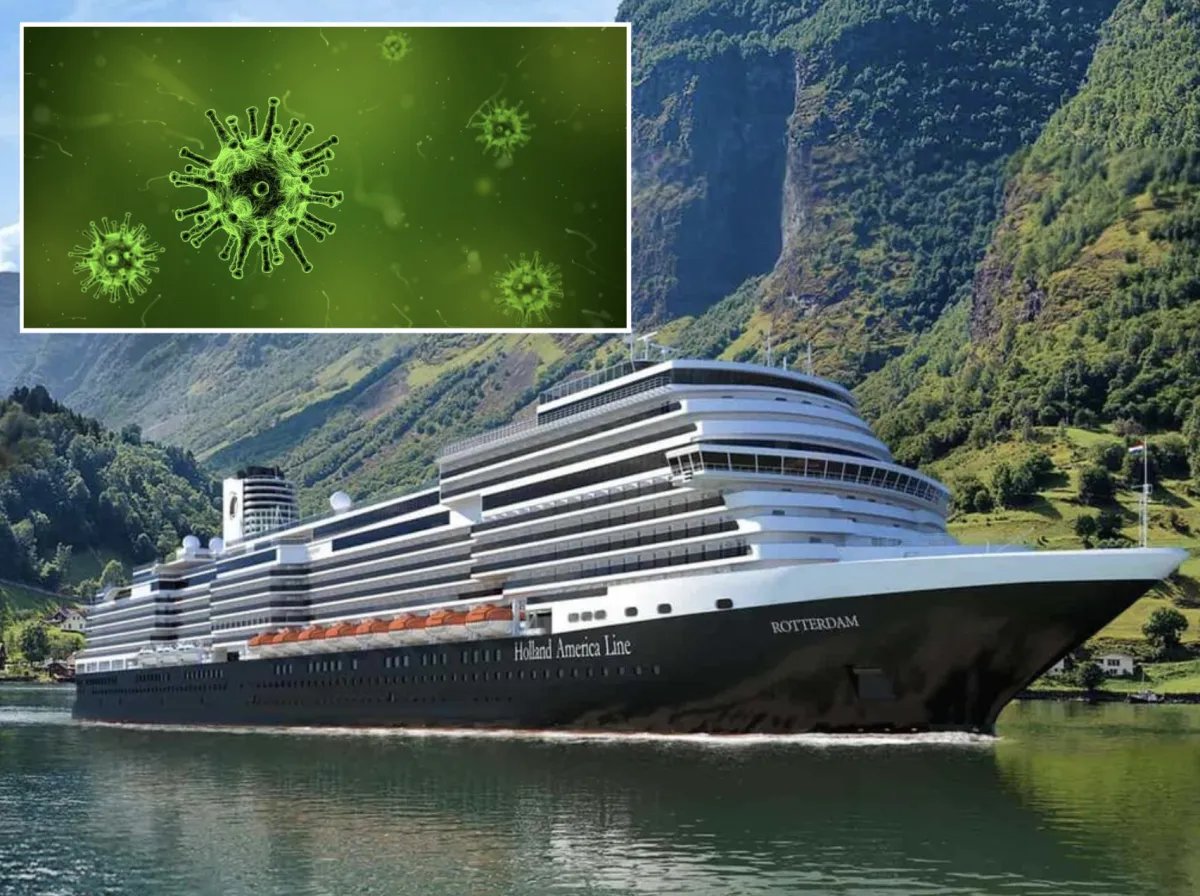
A norovirus outbreak was confirmed aboard Holland America Line’s Rotterdam during a 12-night Panama Canal and Southern Caribbean cruise that sailed from Fort Lauderdale (Port Everglades) on Dec. 28, 2025, and ended Jan. 9, 2026, according to the US Centers for Disease Control and Prevention (CDC).
The CDC’s Vessel Sanitation Program (VSP) updates for the voyage showed shifting totals as the sailing progressed. In one posting, the CDC listed 81 passengers and eight crew members reporting gastrointestinal symptoms, while an earlier update for the same trip listed 85 passengers and nine crew members. Rotterdam carried 2,593 passengers and reported 1,005 crew members on the affected sailing, putting the guest illness rate at roughly 3.1% to 3.3% depending on the CDC posting, above the CDC’s 2% threshold for public notification. Stool samples later confirmed norovirus as the cause.
Voyage timeline and itinerary
The outbreak occurred during Rotterdam’s New Year’s period sailing, a Panama Canal and Southern Caribbean itinerary that included stops in ports such as Curaçao, Aruba, Bonaire, Jamaica, Costa Rica, Colombia, and Panama.
- Dec. 28, 2025: Rotterdam departed Fort Lauderdale on the 12-night itinerary that included Panama Canal and Southern Caribbean calls.
- Jan. 8, 2026: Holland America Line notified the CDC about the outbreak while the ship was still operating the voyage.
- Jan. 9, 2026: The sailing ended back in Fort Lauderdale, and the ship underwent additional sanitization before the next departure.
Measures taken onboard, plus deep cleaning after the cruise
The CDC said the ship implemented enhanced sanitation as illnesses were identified, including increased cleaning and disinfection and separating affected passengers and crew from others to reduce transmission. Holland America Line also followed the CDC’s outbreak prevention and response plan, including isolating symptomatic individuals and collecting stool samples for testing.
Passengers described stepped-up sanitation measures during the cruise, including enhanced cleaning protocols, the placement of sickness bags in public areas, and suspension of self-service at the buffet. Some passengers also reported respiratory ailments during the voyage and speculated about co-occurring illnesses, even as norovirus was confirmed as the cause of the gastrointestinal outbreak.
After Rotterdam returned to Port Everglades on Jan. 9, guests booked on the next sailing were notified of a later embarkation time, described as a delay of a few hours, to allow more extensive deep cleaning. In an emailed statement, the cruise line said, “The cases were mostly mild and quickly resolved,” adding, “The health of our guests and crew is a top priority and consistent with CDC protocols, we conducted a comprehensive sanitization of the ship when the cruise ended Friday in Fort Lauderdale.”
Rotterdam subsequently departed on a 9-night Southern Caribbean “ABC” itinerary that includes Curaçao, Bonaire, and Aruba, along with a call at Half Moon Cay.
Rotterdam’s recent outbreak history
The CDC listing for the current sailing marks the third norovirus outbreak recorded on Rotterdam within roughly the last year. A prior outbreak in February 2025 affected 185 individuals, followed by a smaller outbreak in March 2025 that impacted 93 guests and crew, according to prior reports.
Other Holland America Line ships have also been listed with norovirus cases over the past year, including Eurodam and Zuiderdam. Rotterdam is a Pinnacle-class ship that can accommodate 2,668 guests at double occupancy and up to 4,173 when fully booked.
What to know about norovirus, and why cruise outbreaks are often publicly tracked
Norovirus is a highly contagious virus that commonly causes acute gastroenteritis. It can spread through contaminated food, contaminated surfaces, or close contact with an infected person. Symptoms commonly begin within 12 to 48 hours after exposure and typically include vomiting and diarrhea, with nausea also frequently reported. Some cases can involve fever, headache, and body aches.
While norovirus is widely associated with cruise travel, it also circulates broadly in communities. Sarah R. Michaels, an assistant professor at Tulane University’s Celia Scott Weatherhead School of Public Health and Tropical Medicine, previously told USA TODAY that outbreaks are more likely to be identified in close-contact environments where cases are tracked and reported.
The CDC has emphasized that prompt reporting of symptoms to onboard medical teams can help identify outbreaks sooner, speeding up measures such as isolation and intensified cleaning. The agency’s reporting rules require cruise lines to report gastrointestinal illness outbreaks when at least 2% of passengers or crew report symptoms.
Experts have also noted that cruises account for only about 1% of all norovirus outbreaks. In 2025, the CDC logged 23 gastrointestinal illness outbreaks on cruise ships, 17 of which involved norovirus, with comparable figures reported in 2024 and 2023.
Frequently Asked Questions (FAQs)
Why did the CDC publicly list the Rotterdam outbreak?
The CDC posts cruise ship gastrointestinal outbreaks when reported illness meets or exceeds 2% of passengers or crew. On this Rotterdam sailing, the CDC’s posted passenger illness figures translated to roughly 3.1% to 3.3% of guests, depending on the update.
How did Holland America respond to the Rotterdam outbreak?
The CDC and the cruise line described steps including isolating symptomatic passengers and crew, enhanced cleaning and disinfection, and collecting stool samples that later confirmed norovirus. Holland America Line also said it completed a comprehensive sanitization when the cruise ended in Fort Lauderdale, delaying embarkation for the next sailing by a few hours to allow additional deep cleaning.
What is norovirus, and how does it spread?
Norovirus is a highly contagious virus that causes gastrointestinal illness, commonly vomiting and diarrhea. It can spread via contaminated food, contaminated surfaces, or close contact with an infected person, which is why sanitation and quick isolation of symptomatic cases are key control measures.
What can passengers do to reduce the risk of norovirus on a cruise?
CDC guidance and expert recommendations emphasize frequent handwashing, avoiding shared utensils when possible, following ship hygiene instructions, and reporting symptoms promptly to the medical team so control measures can begin quickly.
Has the Rotterdam experienced similar issues in the past?
Yes. The CDC has recorded multiple norovirus outbreaks on Rotterdam within roughly the last year, including outbreaks posted for February 2025 and March 2025, before the Dec. 28, 2025, to Jan. 9, 2026, sailing.