Carnival Cites NOAA Forecast for Quieter 2026 Hurricane Season
Carnival’s Miami Fleet Operations Center is staffed around the clock and uses a seventy-four-foot, fifty-seven-screen video wall to track details for all twenty-nine ships.
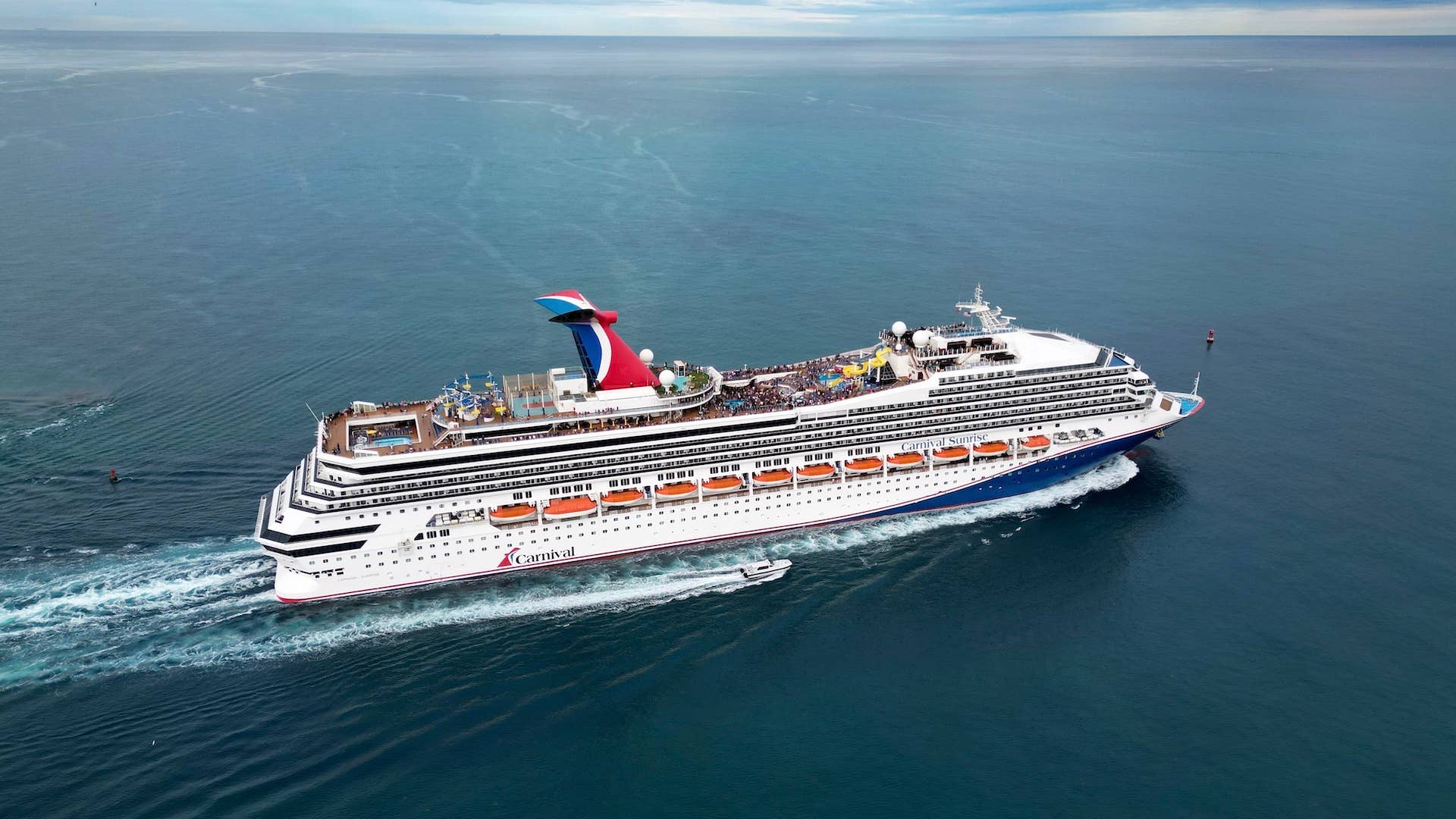
Carnival Cruise Line used a June 15 video update to tell guests that its 2026 hurricane-season outlook calls for fewer and weaker Atlantic storms, citing NOAA projections tied to a strengthening El Niño. Carnival weather contributor Amy Sweezey said NOAA is forecasting a 55 percent chance of a below-normal Atlantic season, with eight to 14 named storms, three to six hurricanes and one to three major hurricanes.
The projected range is below the 1991-2020 seasonal average of 14 named storms, seven hurricanes and three major hurricanes. Carnival is also spelling out how its Miami Fleet Operations Center and shipboard teams handle weather-driven itinerary decisions when tropical systems threaten cruise routes.
El Niño lowers the Atlantic forecast
Sweezey said the main weather development for the season is the return of El Niño, with forecasts calling for a strong event. El Niño usually suppresses Atlantic hurricane development by increasing vertical wind shear over the basin, making it harder for storm systems to organize.
The Atlantic basin in Carnival’s update includes the Atlantic Ocean, the Caribbean and the Gulf. Sweezey said a major hurricane is Category 3 or higher, while NOAA cautions that El Niño does not eliminate the risk of dangerous storms forming during the season.
Carnival points to mobility and fleet monitoring
“Regardless of the forecast, the good news about a cruise vacation is that your ship is a floating resort. It can sail away from any potential storm activity,” Sweezey said. “That allows captains to sail into the safest water.”
She said Carnival ships undergo inspections, carry weather and safety technology, and operate with officers and crew trained for emergencies. Shoreside coordination runs through Carnival’s Fleet Operations Center in Miami, which the line staffs around the clock as it coordinates with ships across the fleet.
The Miami center, a 35,000-square-foot control hub opened in 2018, uses a 74-foot, 57-screen video wall to track ship status, weather, itinerary, safety, engine and environmental information. Carnival brand ambassador John Heald said the center shows individual details for all 29 Carnival ships.
“Carnival has all the tools needed to see where a tropical storm is developing, where it is going and what the projected track is likely to be,” Heald said. When a storm forms, Fleet Operations Center personnel confer with senior company personnel and the ship’s captain before any itinerary decision is made.
What changes when an itinerary is revised
Heald said Carnival tries to preserve the booked itinerary when possible, because storm tracks can shift close to sailing dates. “We wait, gather advice and see what we need to do, often within a day or so notice,” he said.
If a scheduled port or sailing route is affected, Carnival management contacts port authorities for berth options, weighing ship size, location, routing and distance from alternative ports. If no berth is available, the ship may operate a sea day.
After a change is approved, shore excursion teams cancel tours in the skipped port and look for options in the replacement port. Crew sign-ons and contract endings may need to be rescheduled, and entertainers joining or leaving the ship may need revised flights or port arrangements.
Onboard teams also update the Fun Times newsletter and the Carnival Hub app before sending stateroom letters, emails and texts to guests. “If an itinerary change is necessary due to weather, information is communicated immediately to guests,” Sweezey said.
The Pacific and Atlantic hurricane seasons are both underway and run through Nov. 30. Sweezey said seasonal activity peaks in early September.
Compare Carnival sailings by price on Cruise Lookup.