Atlas Ocean Voyages Logs Record January Bookings, Up 60%
Atlas’s booking surge points to an upswing in luxury expedition travel as guests commit earlier at resilient prices. It also raises the stakes for cleaner, standout ships.
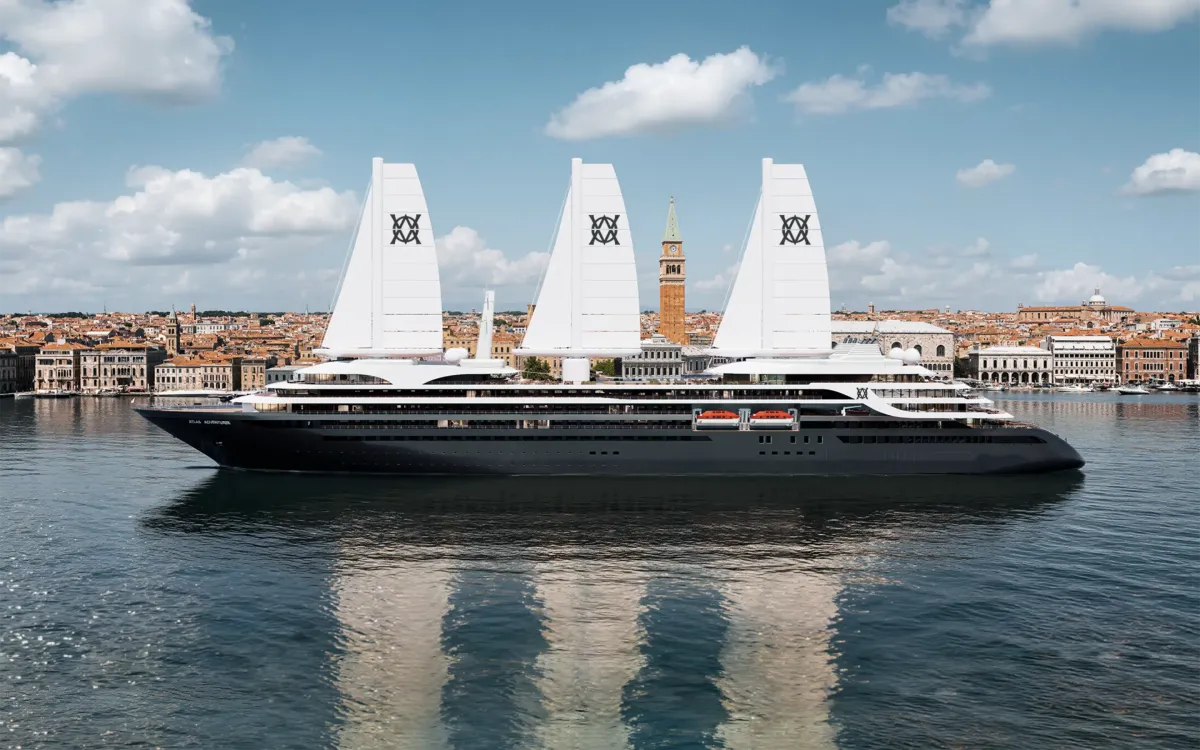
Atlas Ocean Voyages said January 2026 delivered the strongest booking performance in the company’s history, with bookings up more than 60 percent versus January 2025 and nearly three times higher than January 2024. The company is using that momentum to support plans for a new 400-guest expedition sailing ship, Atlas Adventurer, scheduled for delivery in November 2028 and expected to enter service in late 2028.
Record January bookings and what Atlas says is driving demand
“January marked one of the strongest booking months in Atlas Ocean Voyages history, setting a powerful tone for 2026,” said James A. Rodriguez, president and CEO of Atlas Ocean Voyages. Rodriguez added that Atlas is seeing forward demand with “healthy pricing” and earlier purchase behavior, which he said supports the long-term revenue outlook for the brand’s year-round luxury expedition approach.
Atlas tied the early-year performance to initiatives introduced at the start of 2026, including the debut of its Enhanced Explorer’s Choice offer. The company described the offer as adding flexibility and aligning with a refreshed brand presentation.
Sales push: travel advisor support and “in-market activity”
Kristian C. Anderson, executive vice president of Global Sales at Atlas Ocean Voyages, said the brand is increasing support for travel advisors and expanding in-market activity.
“The response from our travel partners has been incredible,” Anderson said, adding that Atlas committed to improved access, added support layers, and deeper engagement.
Atlas Adventurer: a 400-guest newbuild ordered by Mystic Invest
Atlas Adventurer is being positioned as what the company described as the world’s first luxury expedition sailing yacht, designed to blend sail power with hybrid propulsion technology while remaining polar-capable. Mystic Invest, the parent company of Atlas Ocean Voyages, ordered the ship from China Merchants Cruise Shipbuilding in December 2025, and the shipyard group has said the agreement includes options for additional ships.
Rodriguez described the project as a step-change for the brand’s growth strategy and the guests it is targeting. “We are expanding with a newbuild that is a world-class vessel, and a totally new class of vessel that will set the standard for luxury expedition cruising with sailing ships,” he told Cruise Industry News.
Rodriguez also addressed why the brand opted for a larger ship type rather than adding more of its existing 200-guest vessels. “From a financial standpoint, it makes a bit more sense to go larger; we believe this is the right size for the kind of guests we are attracting,” he said.
Mario Ferreira, chairman of Mystic Invest, framed the newbuild as an innovation-driven move. “Atlas Ocean Voyages has always been driven by innovation in how we explore the world,” Ferreira said. “With the Atlas Adventurer, we are introducing a new generation of luxury expedition sailing yachts.”
Design, propulsion, and polar capability
Atlas Adventurer is planned as a three-masted ship with carbon-fiber masts and solid sails. Early design materials also listed the ship name as “Atlas Adventure,” reflecting initial branding used during the design reveal.
The ship’s propulsion package is expected to combine wind-assisted sailing with dual-fuel engines from Wärtsilä, electric-hybrid systems, and a 9-megawatt marine battery. Rodriguez said the sail-assisted approach is expected to cut fuel consumption by about 40 percent when wind conditions allow, and the battery is intended to support hybrid operations, including near-silent sailing. Ferreira also said the design is meant to meet future zero-emission port requirements and to enable quiet operations that can support access to smaller or more restricted ports.
For expedition operations, the ship is designed with an Ice Class 1B hull (Polar Category C), positioning it for Arctic and Antarctic itineraries. The design also calls for zero-speed stabilizers and vertical fin stabilizers, along with a retractable marina platform intended to support zodiacs and luxury motorboats for water-based exploration.
Key specifications disclosed so far
- Capacity and positioning: Up to 400 guests, expanding the brand beyond its current approximately 200-guest expedition ships and supporting a more amenity-rich onboard program.
- Size: About 26,000 gross tons and roughly 690 feet (210 meters) long, placing the ship in a different scale category than Atlas’s existing fleet.
- Mast height and air draft: An air draft of about 225 feet (68.5 meters), driven by the height of the three-mast rig and relevant to where the ship can sail and berth.
- Ice capability: Ice Class 1B (Polar Category C), a specification Atlas is tying directly to its plans for Arctic and Antarctic operations.
- Speed targets: Designed for about 14 knots, with a design speed up to 16 knots, balancing transit needs with expedition-style routing.
Onboard program: dining, lounges, wellness, and marina operations
Atlas Adventurer’s public-area plans include seven dining venues, including specialty restaurants and a culinary studio concept, as well as five lounges and bars and two outdoor bars. Additional features cited by Atlas include an expanded fitness and wellness area and a large swimming pool.
The marina platform is designed to support expedition operations with zodiacs and motorboats, and the plans also call for an ocean pool concept that would allow guests to swim and participate in activities directly from the stern.
Deployment: Asia-to-Africa launch season, then the Mediterranean
Atlas has outlined a maiden season spanning December 2028 through 2029, beginning in Asia and then repositioning to Africa and onward to the Mediterranean. Rodriguez said the initial program includes 15 cruises, as well as a 128-day grand voyage from Japan to South Africa.
Atlas has highlighted destinations and routing across Asia, Africa, and the Mediterranean, including plans that call for stops in Japan, China, Thailand, and Indonesia before the ship transits to Seychelles and East Africa in February 2029. The company has said additional transit port details are expected to be added later.
Bookings for the initial sailings are already open, with Atlas offering priority access for 13 voyages and reserving two additional voyages exclusively for past guests.
Where Atlas says it fits in a crowded luxury expedition market
Rodriguez said Atlas is pursuing a cruise-centric approach delivered by experienced professionals, and he argued that positioning helps the company stand out as more brands enter the space. “There is lots of competition in this market,” Rodriguez said, adding that Atlas’s cruise-focused model helps it stay ahead of hotel-branded competitors moving into expedition cruising.
While Atlas described the U.S. as its core market, the company also cited growing interest from the UK and Australia as it builds demand for its year-round luxury expedition approach.
Current fleet context and shifting ship plans
Atlas Ocean Voyages entered the market in 2019 under Mystic Invest and began operations in 2021 with World Navigator, followed by World Traveler and World Voyager. Those ships are approximately 200-guest vessels, and Rodriguez has described Atlas as having evolved into a year-round expedition operator that also offers expedition and culinary-focused programming outside polar regions.
Two additional ships being completed by Mystic are being sold to Windstar Cruises, reflecting shifting fleet plans as Atlas moves toward the larger Atlas Adventurer newbuild.
With delivery targeted for November 2028, Atlas has said its next milestones include releasing additional port details for the early sailings and continuing priority booking access ahead of the ship’s entry into service.
Frequently Asked Questions (FAQs)
When will Atlas Adventurer be delivered and start sailing?
Delivery is slated for November 2028, with entry into service expected in late 2028. Atlas has described the maiden season as spanning December 2028 through 2029.
What is unique about the Atlas Adventurer’s design?
The ship is designed as a three-masted expedition sailing yacht with carbon-fiber masts and solid sails, paired with electric-hybrid capabilities that include dual-fuel engines from Wärtsilä and a 9-megawatt marine battery. Atlas has said the sail-assisted concept could reduce fuel use by about 40 percent when wind conditions allow, while also supporting near-silent operation and readiness for future zero-emission port requirements.
Where will Atlas Adventurer sail during its inaugural season?
Atlas has outlined a debut season that begins in Asia, then repositions to Africa and onward to the Mediterranean. The initial program includes 15 cruises and a 128-day grand voyage from Japan to South Africa, with Atlas also highlighting routing that includes destinations such as Japan, China, Thailand, Indonesia, Seychelles, and East Africa, and noting that additional transit port details are expected later.
Why is Atlas moving from its 200-guest ships to a larger 400-guest newbuild?
Rodriguez said the move to a larger ship makes sense financially and aligns with the guest profile Atlas is targeting. “From a financial standpoint, it makes a bit more sense to go larger; we believe this is the right size for the kind of guests we are attracting,” he said.