Amsterdam Weighs Ending Ocean Cruise Ship Calls by 2035
If Amsterdam opts for a full cruise exit, it could become Europe’s toughest test of how cities trade visitor revenue for livability, pushing itineraries toward nearby ports.
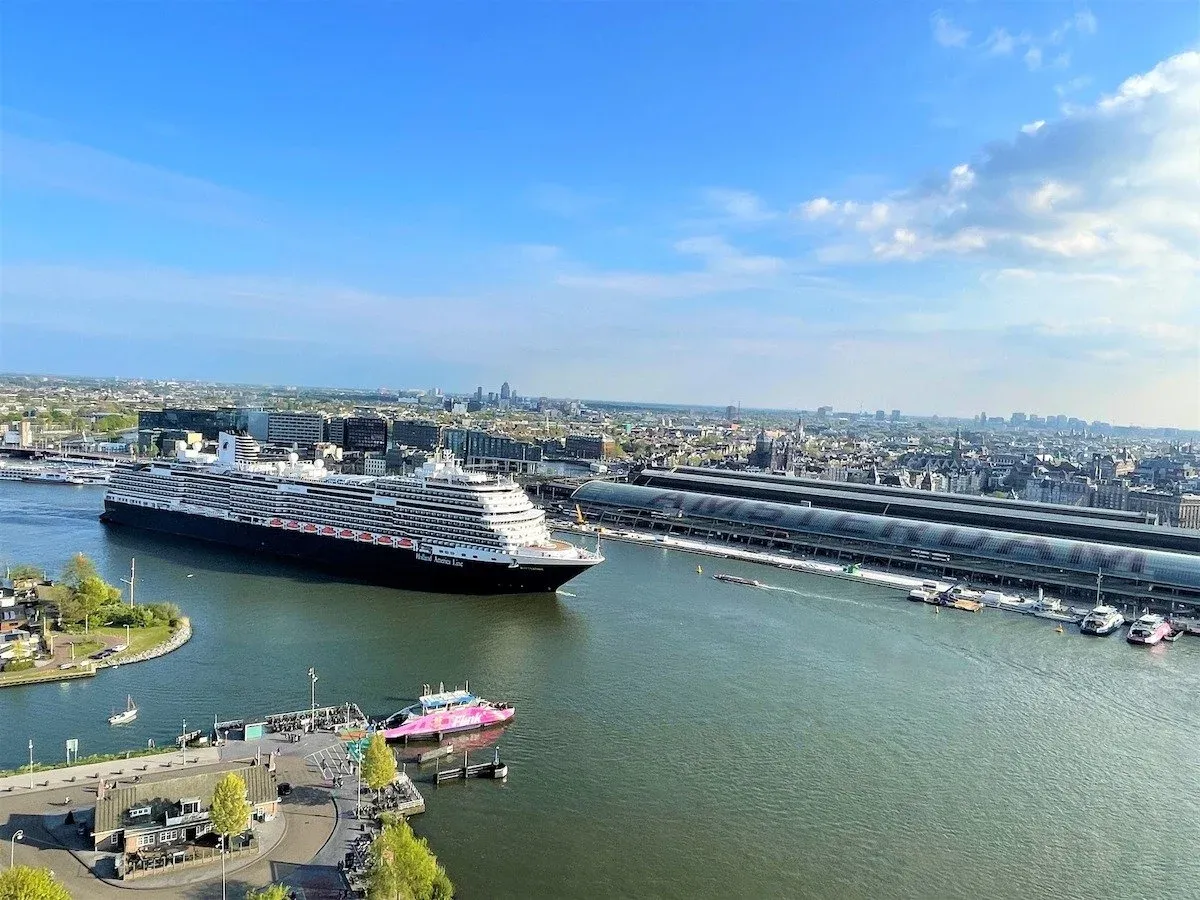
Amsterdam’s coalition government is weighing a full phase-out of ocean-going cruise ships by 2035, a shift that city leaders say would better address air quality, emissions, and overtourism than relocating cruise operations to a new terminal elsewhere.
The proposal is not yet a final decision. City officials have said the next municipal administration is expected to take up the issue after local elections on March 18, 2026, before the plan goes to the City Council for debate and a vote.
From moving the terminal to ending ocean-cruise calls
Amsterdam has spent years trying to reduce the impact of large cruise ships docking close to the historic center, near Central Station at Veemkade. Earlier policy in 2023 and 2024 focused on restricting cruise ship traffic and ultimately relocating the Passenger Terminal Amsterdam (PTA) to the Coenhaven area in the city’s western harbor.
Now, members of the coalition government, including Mayor Femke Halsema, are signaling that an outright end to ocean-cruise calls is the preferred option. Alderman Hester van Buren, who oversees port policy, has argued that relocation would be expensive and uncertain in terms of return on investment.
Cost trade-offs and the city’s redevelopment argument
Van Buren has said relocating the terminal would cost more than €85 million and might not pay back. “We want to prioritize sustainability and livability,” van Buren said, while explaining why the city is reassessing whether relocation is worth the expense.
By comparison, city officials estimate that ending ocean-going cruise calls would reduce public revenues linked to cruise activity by about €46 million over a 30-year period, including port-related income and tourist taxes. Van Buren has also argued that some of the financial impact could potentially be offset through redevelopment and new uses for waterfront areas currently tied to cruise operations.
Why the terminal location has become a planning flashpoint
Supporters of a ban say the current docking location concentrates local impacts near the city center and makes the ships highly visible. Officials and local political leaders have pointed to air pollutants and emissions, including carbon dioxide, nitrogen, and particulate emissions, as well as the strain of large visitor flows arriving in short windows.
The coalition has also linked cruise operations to Amsterdam’s broader urban-planning goals. Officials say the current terminal location can complicate infrastructure plans, including a proposed bridge over the IJ River intended to connect neighborhoods and strengthen links between areas such as NDSM and the Haven-Stad development area.
What could change before 2035
Even without a final decision on a long-term phase-out, Amsterdam has already tightened limits on ocean-cruise traffic and outlined additional operational constraints aimed at reducing peak-day pressure and emissions at berth.
- Annual cap: Amsterdam previously handled around 190 sea-cruise calls per year; the current cap is no more than 100 annually, alongside measures meant to reduce the intensity of peak-day arrivals.
- Daily limit: Under earlier policy plans, the city aimed from 2026 to allow no more than one ocean-going cruise ship per day.
- Shore power: The existing framework also called for ships to use shore power starting in 2027.
River cruises treated differently
The discussions about a phase-out focus on ocean-going cruise ships, not river cruising. River cruises are expected to continue under the approach being discussed, at around 1,150 calls per year, with city officials describing that level as lower than recent volumes.
Overtourism pressures and protests at the terminal
Amsterdam has long struggled with overtourism, with the city hosting nearly 20 million visitors annually despite a population of fewer than one million. The city has also imposed stricter controls on other parts of the visitor economy, including a halt to new hotel construction and bans on tourism promotions.
Opposition to large cruise ships has included high-profile protests. In July 2023, activists affiliated with Extinction Rebellion used inflatable canoes to block the arrival of Celebrity Eclipse, the 2,850-passenger ship, delaying docking for about two hours before port officials intervened. Police arrested five activists during the incident.
Local politician Rob Hofland, a supporter of the phase-out direction, has framed it as a quality-of-life issue as well as an environmental one. “We are finally going to free Amsterdam from these floating apartment blocks,” Hofland said.
What it could mean for itineraries and nearby ports
Even if Amsterdam ultimately ends ocean-cruise calls, cruise tourists could still visit the city, but their point of arrival would likely shift. Rotterdam, Europe’s largest seaport and about an hour from Amsterdam by rail or road, has already become an alternative for some itineraries.
Some cruise operators already route ships to Rotterdam and offer shore excursions to Amsterdam by bus or rail, including Carnival and Celebrity Cruises. Amsterdam also remains on schedules for upcoming seasons, with multiple cruise brands slated to call during summer 2026, meaning any long-term change would involve years of lead time for itinerary planning, port agreements, and operational adjustments.
How Amsterdam fits into Europe’s wider cruise debate
Amsterdam’s proposal comes as other European destinations have moved to curb the footprint of mass cruise tourism. Barcelona has reduced cruise dockings and shut down terminals, destinations along the French Riviera have imposed limits on ship size and annual port calls, and Greece has proposed passenger taxes aimed at managing tourist flows on overcrowded islands.
If Amsterdam’s City Council ultimately approves a full ban on seagoing cruise ships, the city would be taking a more sweeping step than most major European ports, which have typically pursued caps, size limits, terminal changes, or passenger charges rather than a complete prohibition.
Frequently Asked Questions (FAQs)
Is Amsterdam already banning ocean-going cruise ships?
No. The city is discussing a phase-out by 2035, but the next municipal administration is expected to take up the proposal after the March 18, 2026 local elections, and any plan would still require City Council approval.
What is the timeline for Amsterdam’s proposed ocean-cruise phase-out?
The coalition is weighing a complete end to ocean-going cruise calls by 2035. In the meantime, Amsterdam has capped sea-cruise calls at 100 per year, previously aimed from 2026 to allow no more than one ocean-going ship per day, and planned to require shore power from 2027.
Why did the city pivot away from relocating the Passenger Terminal Amsterdam?
Alderman Hester van Buren has said relocating cruise operations would cost more than €85 million with no guarantee the investment would be recouped, while ending ocean-going cruise calls would reduce port-related and tourist tax revenues by an estimated €46 million over 30 years.
Will river cruise ships also be banned?
No. The discussions focus on ocean-going cruise ships. River cruises would continue under the approach being discussed, at around 1,150 calls per year, which city officials have described as lower than recent volumes.
If Amsterdam ends ocean-cruise calls, where will ships go instead?
Rotterdam is a likely alternative and is already used by some cruise lines, with onward transportation offered for passengers who want to visit Amsterdam for the day.