AAA Forecasts Record 21.7 Million Americans to Cruise in 2026
With cruising popularity surging, major U.S. ports and cruise lines are scaling up to meet record demand, reflecting shifting travel preferences and expanded options for passengers nationwide.
AAA forecasts a record 21.7 million Americans will take ocean cruises in 2026, marking a 4.5% increase over 2025's 20.7 million passengers. This steady growth, the fourth consecutive year of record-breaking cruise volumes, reflects strong consumer demand, expanded itineraries, and increased capacity from major cruise lines. The industry’s continued momentum is set to enhance tourism across multiple destinations, with ports and cruise operators preparing to welcome more travelers than ever.
Popularity of Cruises and Key Demographics
Cruising remains appealing to a diverse range of travelers, with older adults leading the way. AAA reports that 65% of adult U.S. cruisers are aged 55 and older, followed by 27% aged 35–54, and 7% between 18–34 years old. Cruising also offers a social dynamic that sets it apart from traditional vacations: nearly 50% of passengers sail as couples, 20% travel with children, 7% cruise solo, and the rest enjoy multigenerational or group adventures.
Top Destinations and Seasonal Trends
The Caribbean remains the premier region for U.S. cruise travelers, projected to attract 72% of passenger volume in 2026. Contributing to this popularity are Florida’s homeports, Miami, Port Canaveral, and Fort Lauderdale (Port Everglades), which simplify logistics and connect travelers to tropical destinations. Seasonal demand peaks from November through March as passengers escape cold winters for sunny shores. Although summer is not peak season, pricing often increases during family vacations timed with school breaks.
Beyond the Caribbean, Alaska cruises, with a shorter sailing window from April through October, will draw 7% of U.S. passengers, offering unique expedition-style itineraries aimed at nature enthusiasts. Meanwhile, Mediterranean cruises capture 5% of travelers, fostering a mix of cultural exploration and luxury travel experiences.
Role of Mega-Vessels and Industry Capacity Growth
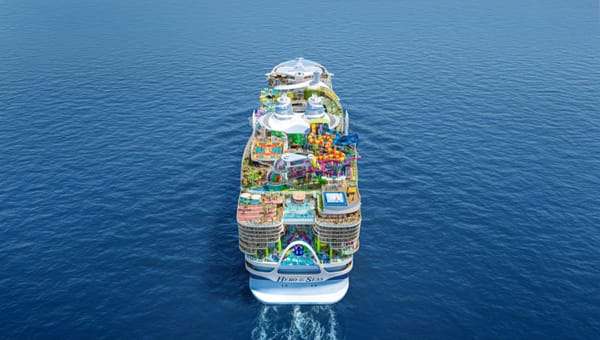
The growth in cruise demand correlates with the rise of mega-ships equipped to handle increasing passenger numbers. Royal Caribbean’s Star of the Seas and its sister ship, Icon of the Seas, exemplify these floating resorts, featuring 20 decks and 2,805 cabins each, alongside amenities such as spas, theaters, restaurants, and onboard entertainment. These vessels are primarily deployed in the Caribbean, Mediterranean, and Northern Europe, where infrastructure supports larger operations. However, it should be noted that Alaska cruises largely favor smaller vessels due to unique economic and environmental factors.
Alaska continues to use primarily smaller ships tailored to remote destinations and wildlife-focused excursions, highlighting the operational distinctions across regions.
Florida Ports Lead the Charge
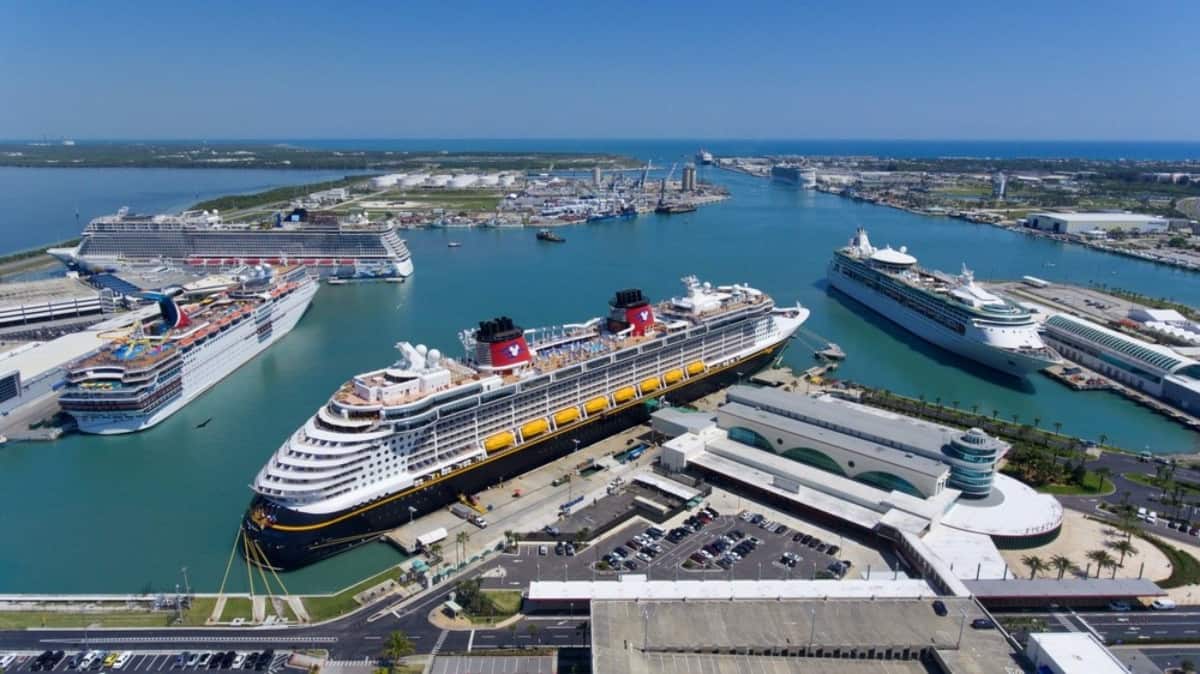
AAA forecasts underline Florida’s dominance as a cruise hub, with Miami handling 10.2% of U.S. cruise passengers, Port Canaveral accounting for 8.8%, and Fort Lauderdale (also called Port Everglades) contributing 5.6%. Collectively, these ports anchor the Caribbean segment and facilitate shorter itineraries that appeal to time-conscious travelers, while boosting local economies through associated tourism revenue. Galveston (4.1%) and Seattle (2.2%) are also important U.S. homeports.
“For the full year, we had 1,038 cruise ship calls and 8.6 million multi-day passengers,” said Captain John Murray, Port Canaveral CEO. “Our numbers even surpassed the budget forecast.” Port Canaveral has experienced a passenger traffic surge of 26% over the past two years, driven by major carriers like Carnival, Royal Caribbean, and Disney Cruise Line.
Why Travelers Choose Cruises
AAA data indicates that convenience, variety, and value factor heavily into the decision to cruise. Passengers can explore multiple destinations without coordinating flights, hotels, and transportation, an all-inclusive vacation model highly rated for efficiency. Additionally, onboard dining, entertainment, and curated excursions enhance the experience, while exclusive perks through AAA membership further incentivize bookings.
Debbie Haas, Vice President of Travel for AAA The Auto Club Group, emphasizes the industry’s appeal: “Cruising continues to be the go-to vacation for unforgettable experiences at sea, from quick Caribbean escapes to bucket-list Alaskan adventures.” High satisfaction rates (90%) and repeat cruise intentions (91%) reinforce the industry’s resilience and burgeoning popularity.
New Ships Enhance Consumer Choice
With new mega-vessels launching regularly, travelers in 2026 will enjoy greater options. Notable debuts include Disney’s Adventure, Carnival’s Festivale, Norwegian’s Luna, and Royal Caribbean’s Icon of the Seas. Short cruises, enhanced onboard features, and exclusive destinations such as private islands continue to make cruising a compelling choice for millions.
Frequently Asked Questions (FAQs)
What are the most popular destinations for American cruisers?
The Caribbean dominates as the top destination, projected to attract 72% of U.S. cruisers in 2026. Alaska cruises will capture 7%, followed by Mediterranean itineraries accounting for 5% of passengers.
Which cruise ports will see the most traffic next year?
Miami ranks first with 10.2% of U.S. cruise passengers, followed by Port Canaveral at 8.8%, and Fort Lauderdale/Port Everglades at 5.6%. Galveston (4.1%) and Seattle (2.2%) also remain key U.S. homeports for embarkation.
Who is most likely to choose cruising in 2026?
Older adults lead with 65% of adult U.S. passengers aged 55+, while 27% are aged 35–54, and 7% fall into the 18–34 bracket. Couples make up nearly half of all passengers, while families and solo travelers account for smaller shares.
When should travelers book for a 2026 cruise?
High demand suggests early booking, especially for the Caribbean’s winter peak season or Alaska’s summer itineraries. Short cruises and new ship launches often sell out faster.
Why have cruise vacations grown so popular?
AAA attributes the growth to convenience, affordability, and repeat traveler satisfaction. Many passengers appreciate the simplicity of booking and the chance to enjoy multiple destinations with onboard amenities and curated experiences.