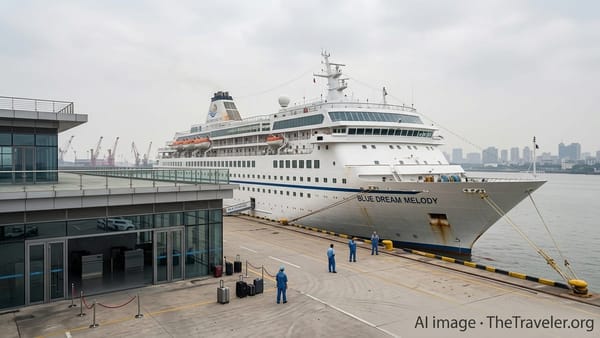
StarCruises and Dream Cruises Add Fuel Surcharges on Asia Sailings
As oil-price shocks ripple through shipping lanes, cruise lines are leaning on adjustable surcharges instead of higher fares, shifting more price risk onto travelers.
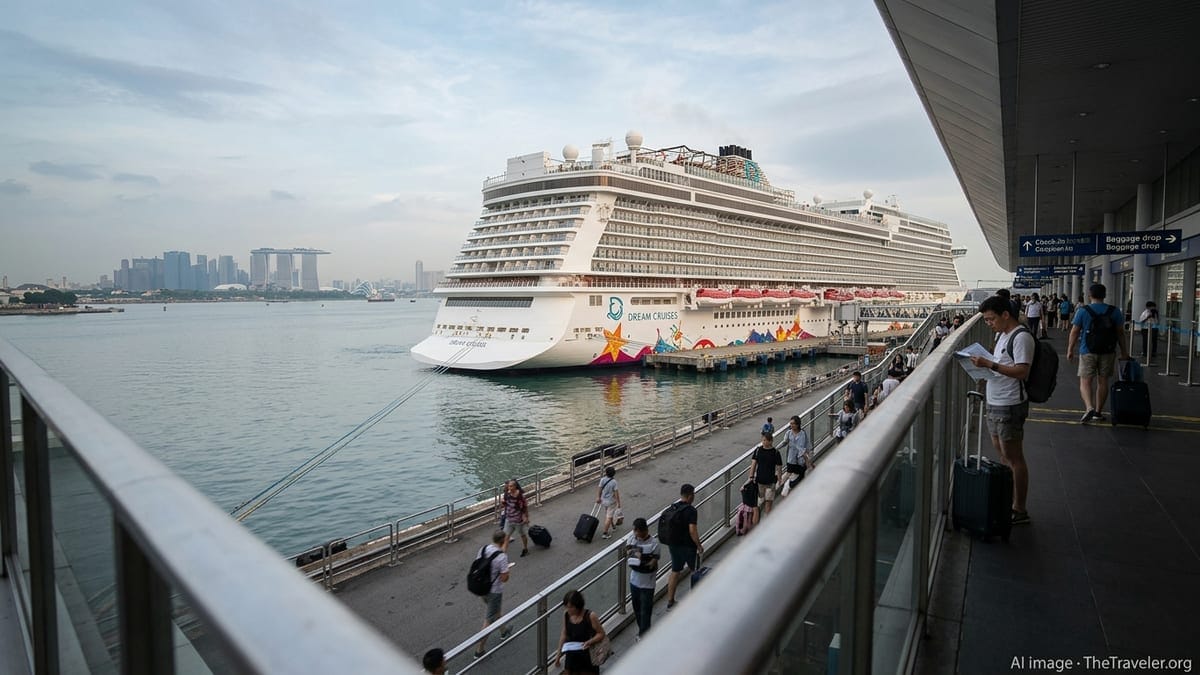
StarCruises and Dream Cruises have introduced new fuel surcharges on select Asian sailings, with the added charges taking effect for new bookings made on or after March 20, 2026.
The Resorts World Cruises-owned brands told passengers in notices dated March 17 that the fees will be posted automatically to onboard accounts and must be settled as part of final onboard payment before guests disembark. The surcharge applies to guests aged two and older.
What the new onboard charge covers and when it applies
The brands framed the surcharge as a response to higher operating costs as fuel prices climb amid the conflict in the Middle East, including a February 2026 conflict involving Iran that began on Feb. 28, 2026. Rather than building the cost into advertised fares, the companies are collecting it onboard as a separate line item for affected departures.
How much guests will pay on affected sailings
Rates vary by ship and embarkation port, and the charge is assessed nightly or daily depending on the sailing.
On StarCruises, guests sailing on the 1,944-passenger Star Voyager, which is currently homeported in Hong Kong, will be charged HKD 200 (about US$25) per guest, per night.
For StarCruises departures from Keelung, Taiwan, sailings on Star Navigator carry a fuel surcharge of NTD 600 (about US$18.50 to US$19) per person, per night.
On Dream Cruises, Genting Dream sailings operating from Singapore and Malaysia under the Dream Cruises brand include a fuel charge of SGD 15 (about US$11.70) per person, per day.
How the surcharge is billed onboard
Both brands said the surcharge will be automatically added to a guest’s shipboard account, with payment required as part of the final onboard settlement before leaving the ship. The companies set the age threshold at two years old, meaning the fee applies to most passengers in a stateroom who meet that requirement.
Fuel prices and the Middle East disruption behind the move
The companies tied the charge to rising marine fuel costs as oil markets reacted to the Middle East conflict and disruption affecting the Strait of Hormuz, a key corridor for global oil shipments. The reports cited Brent crude rising by more than 35% since February, with another description putting the move at close to 40% and above US$100 per barrel.
For cruise operators that still rely heavily on heavy fuel oil and marine gas oil, such swings can translate quickly into higher day-to-day voyage costs, leaving operators exposed to sudden price shocks even as sustainable maritime practices advance.
Could the fees change again?
StarCruises said it will continue reviewing the surcharge as fuel prices change. The brands indicated the fee could be reduced if fuel costs ease, or increased if prices continue to rise.
How this compares with surcharge policies across the industry
While the new charges are targeted to certain Asia-based departures, broader fuel-surcharge provisions appear in passenger contracts across the cruise sector. Story reports noted that Carnival, Norwegian Cruise Line, MSC Cruises, and Royal Caribbean reserve the right to add surcharges when oil prices rise above specified thresholds.
Examples cited include Carnival charging up to US$9 per person, per day if oil surpasses US$70 per barrel on the New York Mercantile Exchange Index (NYMEX), Norwegian permitting a daily fee of US$10 per guest, and MSC imposing up to US$12 per person per day when prices exceed US$65 per barrel.
Those kinds of maximum fees can add up. Under MSC’s maximum example, a seven-night cruise for four guests could add US$336 in surcharges. The reports also noted that some operators may prefer raising base fares for new bookings rather than applying onboard surcharges, but the surcharge model allows real-time adjustments as fuel costs move.
For travelers, the key variables highlighted in the notices were the embarkation port and whether a booking is made on or after March 20, 2026, with the brands saying the charges will remain under review as fuel prices shift.
Frequently Asked Questions (FAQs)
Which cruise lines are currently applying fuel surcharges?
StarCruises and Dream Cruises, owned by Resorts World Cruises, have implemented fuel surcharges on select Asian itineraries effective for new bookings made on or after March 20, 2026. Other cruise lines may have contract provisions allowing surcharges, but the reports cited these as the active announced charges tied to the current situation.
How will the StarCruises and Dream Cruises fuel surcharge be billed to passengers?
The fee is automatically posted to a guest’s onboard account and must be paid as part of the final onboard balance before disembarkation.
How much are the fuel surcharges on the affected Asian itineraries?
StarCruises charges HKD 200 (about US$25) per guest, per night on Star Voyager sailings homeported in Hong Kong, and NTD 600 (about US$18.50 to US$19) per person, per night on Star Navigator departures from Keelung, Taiwan. Dream Cruises charges SGD 15 (about US$11.70) per person, per day on Genting Dream sailings from Singapore (and reported as operating from Singapore and Malaysia under the Dream Cruises brand).
Why are fuel surcharges being introduced now?
The brands linked the decision to higher fuel costs as oil prices rose sharply amid the Middle East conflict, including disruption affecting the Strait of Hormuz. The reports cited Brent crude rising by more than 35% since February, with another figure putting the increase close to 40% and above US$100 per barrel.
Could the surcharge be raised further or reduced later?
Yes. StarCruises said it will keep reviewing the surcharge as fuel prices change, and the companies indicated the fee could be reduced if costs stabilize or ease, or increased if prices rise further.