Oasis of the Seas Turns Back Near Cuba After Man-Overboard Hoax
A single prank at sea can trigger costly search-and-rescue responses and raise fresh questions about teen supervision on spring break sailings as cruise lines tighten conduct rules.
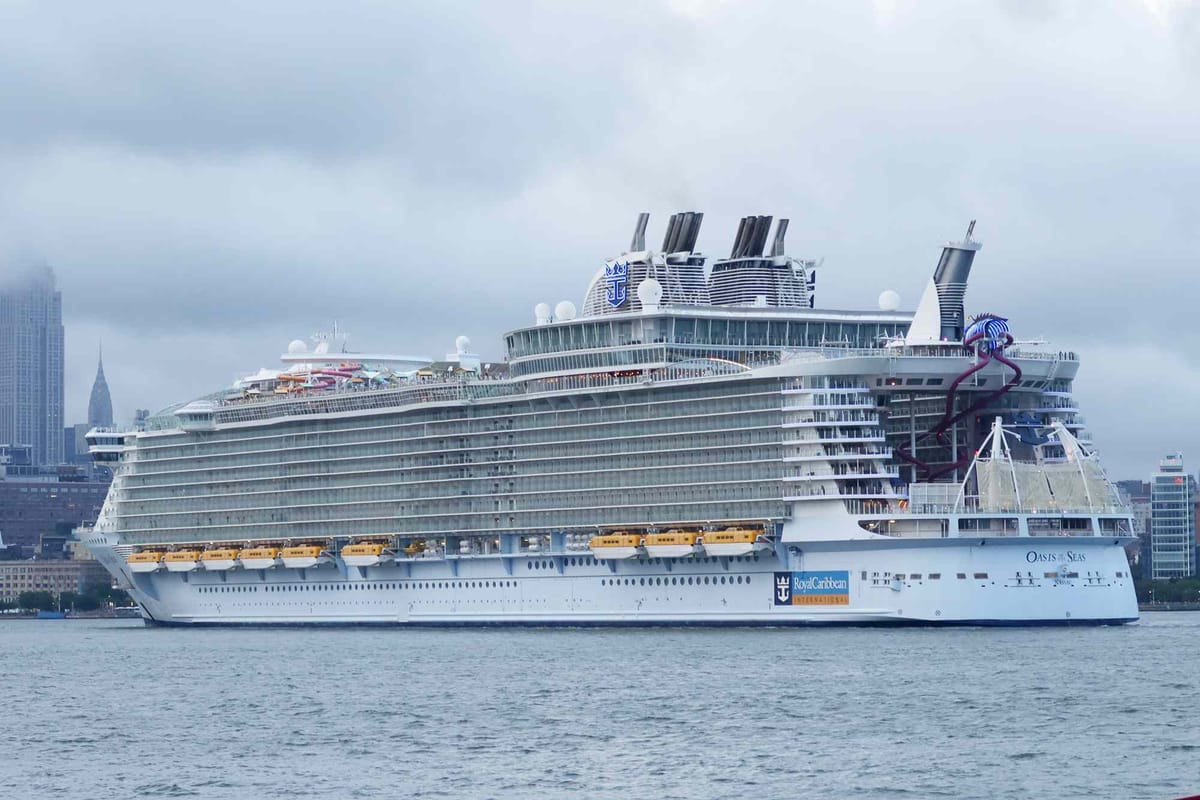
A man-overboard alert aboard Royal Caribbean’s Oasis of the Seas on March 20, 2026, prompted the ship to turn around near Cuba and triggered a roughly 90-minute search before the captain later announced the situation was a hoax, according to passenger accounts.
The incident unfolded during a spring break sailing on the 226,838-gross-ton Oasis of the Seas, which was operating a six-day Western Caribbean itinerary and had departed Fort Lauderdale on March 15.
How the hoax unfolded at sea
Passengers said the alert occurred as the ship sailed from Amber Cove (Puerto Plata, Dominican Republic) back toward Fort Lauderdale. The situation escalated quickly into an emergency response off the coast of Cuba near Cayo Guajaba.
One account placed the initial alert at about 12:15 p.m., when standard man-overboard procedures were activated. Passengers said crew members threw life rings into the water and the ship contacted the U.S. Coast Guard to assist.
By about 1:45 p.m., passengers reported the captain made an announcement over the public address system saying no one had actually gone overboard and that the incident stemmed from an onboard prank involving teenagers.
Passenger accounts: fear during the search, then a reversal
As the ship maneuvered and the search was underway, some passengers believed there was a life-or-death emergency. One passenger wrote on Facebook, “For my praying friends please pray for the rescue of a person that fell overboard on Oasis of the Sea just a few minutes ago,” reflecting the mood onboard before the report was determined to be false.
Afterward, passengers said they were told the episode began as a prank that escalated. A version of events circulating among passengers described teens telling a girl’s grandmother that the girl had gone over the side, which then led to panic and a report that triggered the ship’s response.
What the ship did, and what changed operationally
Man-overboard reports are treated as time-critical emergencies, and passengers said Oasis of the Seas responded accordingly by turning the ship, deploying flotation devices, and coordinating with the U.S. Coast Guard.
Passengers also indicated that, unlike some other man-overboard responses, onboard operations were not fully shut down during the search, suggesting the ship may not have reached the point of pausing activities or directing guests to remain in cabins for a full accountability check. Even so, the turnaround, search pattern, and coordination with outside authorities underscored how seriously such reports are handled.
The ship ultimately resumed its original course without itinerary changes, and passengers said it arrived back in the Fort Lauderdale area, Port Everglades, on schedule on March 21. Oasis of the Seas has a stated capacity of 6,780 passengers.
Accountability questions, discipline, and potential legal exposure
The false alert drew sharp reactions from passengers and online cruise-focused forums, with some calling for stringent penalties, including lifetime bans for the teens involved and their families. Royal Caribbean’s Guest Conduct Policy places responsibility on parents and guardians to supervise minors and young adults during a voyage, though no official statement from the cruise line detailing specific disciplinary measures in this case was included in the available reports.
Beyond onboard discipline, industry observers note that hoaxes can carry real costs, including mobilization of public resources. The U.S. Coast Guard has warned that false distress alerts can lead to serious consequences, including the possibility of jail time, substantial fines, and being billed for search-and-rescue costs.
Why the incident resonated during spring break, and how it fits a wider pattern
The hoax occurred during spring break, when ships often carry larger numbers of families and teens. That context amplified debate within the cruise community about supervision and the ripple effects of a single report at sea.
Doug Parker discussed the situation on the March 21 edition of Cruise News Today, focusing on the operational impact of turning the ship back to search and the involvement of the U.S. Coast Guard, and framing the broader issue as accountability when an alleged prank triggers an emergency response.
While deliberate hoaxes appear less common, false man-overboard alerts are not unheard of and can stem from misunderstandings or miscommunication. Earlier in March, MSC Seashore experienced a separate false man-overboard alert that also drew attention to how disruptive these incidents can be even when no one is actually missing.
With Oasis of the Seas having completed the sailing as scheduled, attention has shifted to whether any penalties will ultimately be pursued by Royal Caribbean and whether authorities review the circumstances as a potential false distress alert.
Frequently Asked Questions (FAQs)
Did anyone actually fall overboard from Oasis of the Seas on March 20, 2026?
No. Passengers said the captain later announced there was no overboard emergency and that the alert was tied to a prank, after a search lasting about 90 minutes.
How did Oasis of the Seas respond to the alert?
Passengers said the ship executed man-overboard procedures, including turning around near Cuba, throwing life rings into the water, and notifying the U.S. Coast Guard. The search was stopped after a shipwide announcement at about 1:45 p.m. indicated there was no actual emergency.
What consequences could follow a false distress alert involving the U.S. Coast Guard?
The U.S. Coast Guard warns that false alerts can result in severe penalties, including the possibility of jail time, substantial fines, and being billed for search-and-rescue costs.
Can Royal Caribbean hold families responsible for a teen’s actions onboard?
Royal Caribbean’s Guest Conduct Policy places responsibility on parents and guardians to supervise accompanying minors and young adults and to ensure appropriate behavior throughout the voyage, which passengers and commenters cited in calls for shipboard discipline or future sailing restrictions.