Newport Council Urges Lawmakers to Block Cruise Fee Hike
The dispute shows how tightly New England ports compete for cruise itineraries as states hunt new revenue for public transit, forcing lawmakers to weigh tourism against local jobs.
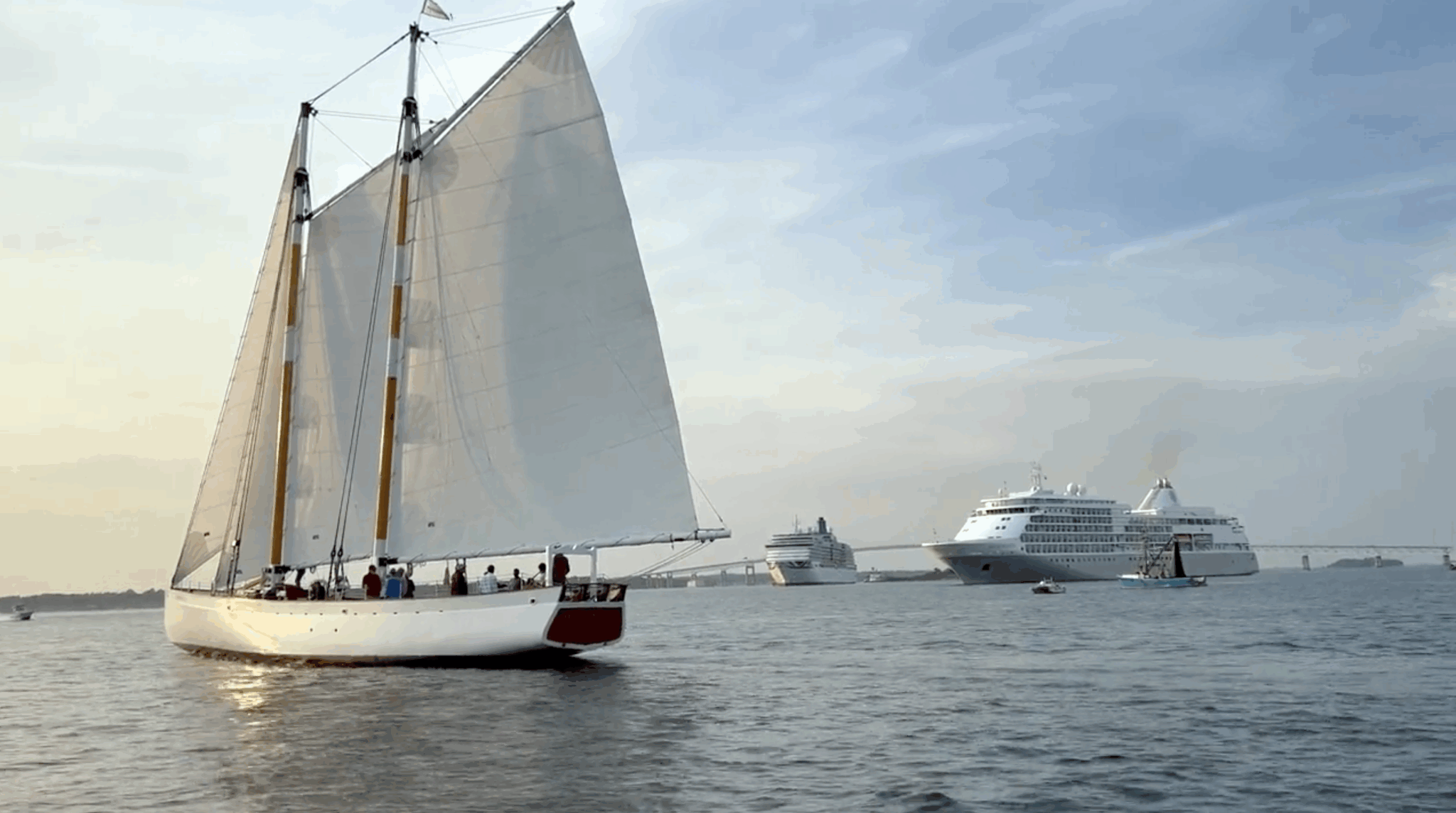
Newport city leaders are urging state lawmakers to reject Gov. Dan McKee’s proposal to raise per-passenger fees on visiting cruise ships from $10 to $15, warning the increase could push cruise lines to drop the city from their itineraries. The Newport City Council voted unanimously on March 4 to approve a resolution opposing the fee hike included in McKee’s recommended fiscal 2027 budget.
Under the governor’s plan, the additional $5 per passenger would be directed to the Rhode Island Public Transit Authority (RIPTA) as the agency faces a projected $13.8 million deficit heading into the next fiscal year.
City leaders say Newport was not consulted
At the March 4 meeting, council members criticized what they described as a lack of outreach as the proposal was developed. Councilor Jeanne-Marie Napolitano said, “I do like Gov. McKee, but he didn’t consult anybody,” adding, “It was like we got smacked right after we got it.”
The council’s resolution argues that changing cruise fees on short notice could undercut Newport’s ability to compete with other New England ports, particularly if cruise schedules and passenger pricing have already been set for upcoming seasons.
How the cruise fee fits into RIPTA’s budget plan
McKee has pledged to address RIPTA’s budget gap after not filling it in his previous recommended budget. In the fiscal 2027 proposal, his administration projects the cruise fee increase would generate about $1 million in annual revenue for RIPTA from the extra $5 per passenger.
Most of the governor’s proposed solution relies on a separate funding change: a $9.3 million annual increase to RIPTA’s share of Rhode Island’s Highway Maintenance Account.
RIPTA CEO Christopher Durand tied the cruise-related revenue request to changing travel patterns on Aquidneck Island. In a Feb. 4 letter to the House Committee on Finance, Durand wrote that RIPTA has seen a “significant increase in ridership” alongside more cruise ship visits and the opening of a new mobility hub at the base of the Pell Bridge.
In a later statement, Durand did not directly address Newport’s opposition but said, “RIPTA is continuing to work closely with the governor and the legislature as they evaluate long-term, sustainable funding solutions for public transit,” adding, “Our focus remains on working with state leaders on a path forward while maintaining the service riders depend on.”
Port officials warn Newport could become the priciest tender stop in the region
Newport Harbormaster Stephen Land warned lawmakers that raising the fee could affect how cruise lines evaluate and compare destinations. In his Feb. 4 letter to the House Committee on Finance, Land wrote that the proposed $15 per-passenger charge would make Newport “the most expensive tender port in New England.”
Land also stressed that timing matters for cruise operators and guests. “This additional port fee increase will cause cruise ship lines to remove Newport from their itinerary,” he wrote, arguing that limited time to adjust could make Newport less attractive during itinerary planning.
How Newport’s fees compare with other New England ports
Newport officials have pointed to regional price differences as they argue the increase could reshape itinerary decisions.
- Boston charges $3 per passenger, with legislation in place to raise the fee to $15 by 2030.
- Provincetown, Massachusetts, charges between $2 and $2.50 per passenger, depending on the cruise line.
- Portland, Maine, charges $18 per person for vessels carrying more than 1,000 passengers and $13 per person for ships below that threshold.
Newport’s $10 per-passenger fee, which was raised from $3 in 2024, already exceeds the rates in several nearby ports, according to Land’s letter.
Newport’s recent fee increase and local revenue plans
The current Newport fee structure was authorized by the General Assembly in 2024, when lawmakers approved legislation allowing the city to raise the fee for vessels that make Newport a destination from $3 to $10. Newport sought the authority to support harbor-related projects, including a new harbormaster office and other improvements at Perotti Park.
Rhode Island’s legal framework for landing and boarding fees for cruise ships dates back to 1998. Before the 2024 change, the previous statewide rate increase occurred in 2014.
Newport officials have described cruise-related revenue as significant for local finances. The city generated about $2 million in revenue from cruise ships last year, and Newport’s proposed fiscal 2027 budget anticipates $2 million in total revenue from cruise ships.
Lawmakers weigh tourism concerns against transit funding
Rep. Lauren Carson, a Newport Democrat, said she supports transit funding but questioned whether cruise fees are the right tool. “I certainly support RIPTA,” Carson said, adding she was unsure about “jeopardizing a major part of our tourism industry.” She also said, “I don’t want to see ships not come here.”
Rep. Marvin Abney, a Newport Democrat and chair of the House Committee on Finance, said he was holding back comment while budget negotiations continue. “I live here, yes,” Abney said, adding he needed to ensure “a balanced response” as lawmakers shape the final budget.
Democratic Sens. Lou DiPalma and Dawn Euer, who represent Newport in the Senate, did not immediately respond to requests for comment. McKee’s office also did not immediately respond to an inquiry about Newport’s opposition.
The proposed fee increase will be decided as part of broader fiscal 2027 budget negotiations at the State House, where lawmakers can adopt, modify, or reject the cruise fee provision in the coming weeks and months.
Frequently Asked Questions (FAQs)
What cruise ship fee increase is being debated for Newport?
Gov. Dan McKee’s fiscal 2027 budget proposal would raise Newport’s per-passenger cruise ship fee from $10 to $15, a $5 increase.
Where would the additional $5 per passenger go, and how much revenue is projected?
The proposal directs the additional $5 per passenger to RIPTA. McKee’s administration projects the increase would generate about $1 million in annual revenue for the transit agency.
Why are Newport officials opposing the increase?
City leaders argue a $15 fee could make Newport less competitive with other New England ports and could lead cruise lines to remove Newport from their itineraries, especially if schedules and pricing are already set with limited time to adjust.
Why does Newport say the proposed fee would be unusually high?
Newport Harbormaster Stephen Land wrote that a $15 per-passenger charge would make Newport the most expensive tender port in New England, a factor he said could influence itinerary decisions.
How did Newport’s current $10 fee come about?
Newport’s fee was raised from $3 to $10 in 2024 after the General Assembly approved legislation allowing the city to increase the charge for vessels that make Newport a destination. The city planned to use the added revenue for harbor-related projects, including a new harbormaster office and improvements at Perotti Park.