Leclanché Installs Navius MRS-3 Battery on Hybrid Ocean Cruise Ship
The first-ever installation of Leclanché’s Navius MRS-3 battery system in a hybrid ocean cruise ship signals a broader industry push for cleaner, regulation-ready maritime operations.
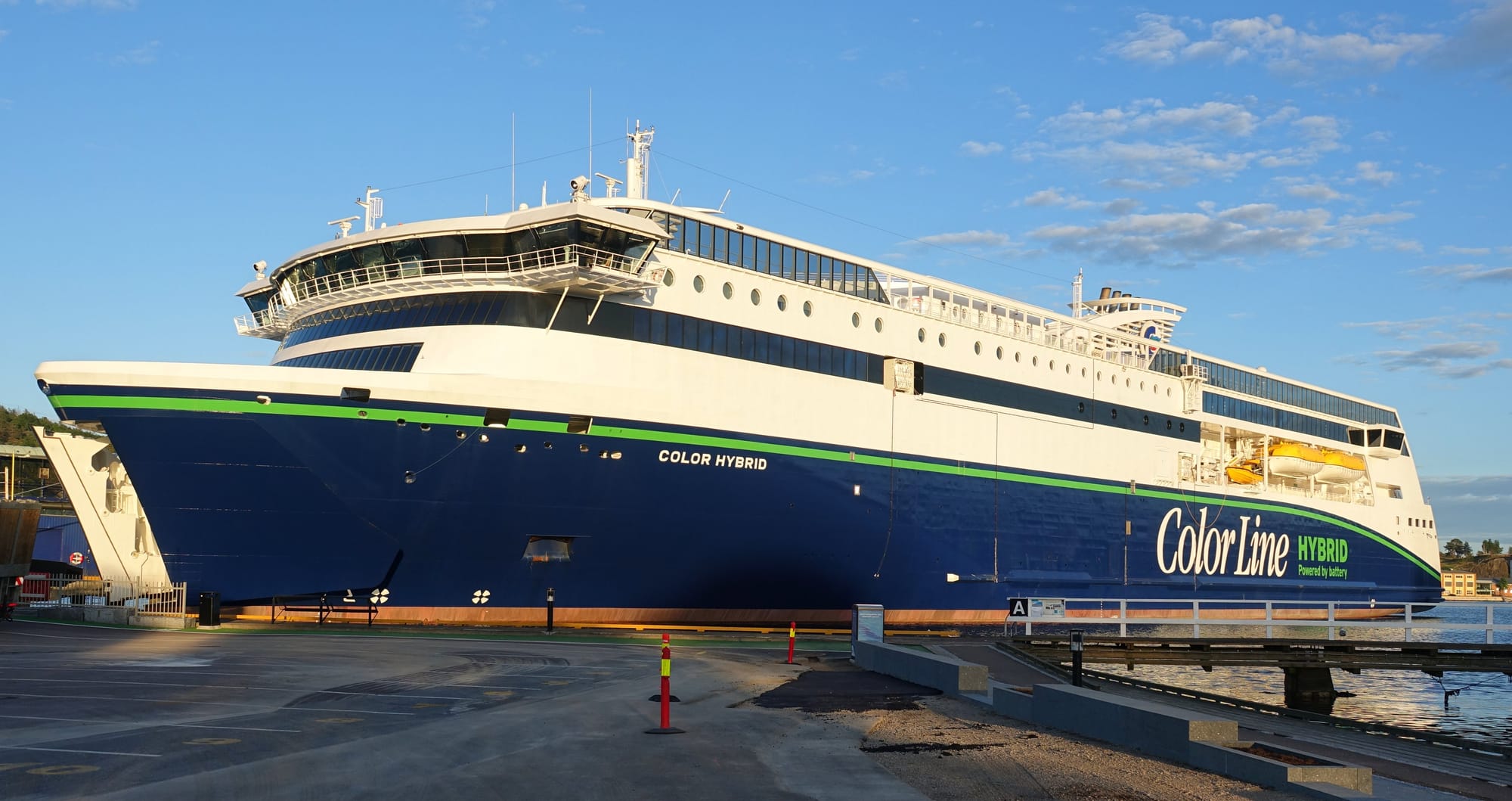
Swiss-based energy storage solutions provider Leclanché SA, in partnership with Florida-based Century Ship Services, has achieved a milestone in maritime technology by successfully installing its flagship Navius MRS-3 marine battery system in a hybrid ocean cruise vessel. Announced on October 9, this deployment marks Leclanché's first integration of the 4 MWh Navius MRS-3 system in the ocean cruise industry and reflects the growing demand for carbon-neutral operations in environmentally sensitive areas, such as the Norwegian fjords.
Technical Highlights and Modifications
The vessel, originally 140 meters long, underwent significant retrofitting to accommodate the advanced battery technology. The ship was extended by 11 meters to create space for dedicated battery rooms and onboard hydrogen systems, which are integral to its hybrid operational mode. This configuration is designed to reduce fuel consumption and emissions while ensuring full compliance with stringent environmental regulations, including the European Union’s Emissions Trading System (EU ETS) and the International Maritime Organization’s (IMO) Net Zero Framework.
With its newly installed electrification capabilities, the cruise ship became the 11th addition to the operator’s hybrid fleet, which is positioned to meet the expectations of increasingly restrictive air-quality rules in sensitive maritime zones.
Significance of the Navius MRS-3 Marine Battery System
The Navius MRS-3 marine rack system represents cutting-edge technology in marine electrification. Developed by Leclanché, the lithium-ion-based solution provides reliable electrification capabilities while meeting the safety and performance standards certified by leading classification societies Lloyd’s Register (LR) and Bureau Veritas (BV). The certifications confirm compliance with stringent marine equipment requirements, ensuring safe operations and durability.
Leclanché’s global VP e-marine, Guillaume Clement, emphasized the importance of this achievement for the company’s expansion into the cruise sector. "Our Navius MRS-3 is quickly becoming the system of choice across the maritime spectrum," he stated. The system not only enables hybrid operation but also facilitates zero-emission maneuvers in highly regulated zones, demonstrating its alignment with industry-wide decarbonization initiatives.
Collaborative Efforts and Industry Impact
The project was carried out in partnership with Century Ship Services, which provided marine power engineering, installation, logistics, and commissioning support. Century Ship Services’ Managing Director, Cevdet Duz, praised the collaboration, stating, "Partnering with Leclanché gives us confidence that we’re working with a reliable Swiss-based innovator with extensive expertise in marine electrification."
This installation highlights the accelerating adoption of battery hybrid systems in deep-sea passenger vessels, offering cruise operators a scalable retrofit solution for compliance with evolving environmental standards. It also signifies a growing shift away from traditional propulsion methods, propelling the maritime industry closer to its goal of reducing emissions without sacrificing operational flexibility.
Leclanché’s Broader Electrification Projects
Beyond the cruise ship installation, Leclanché has been actively involved in multiple projects advancing green technologies in the maritime sector. Notably, the company partnered with Scotland’s Caledonian Maritime Assets Limited (CMAL) in September 2023 to install 1.1 MWh Navius MRS-3 systems on hybrid roll-on, roll-off passenger ferries. Around the same time, Leclanché also collaborated with Norwegian system integrator Brunvoll Mar-El to transition a conventionally powered ferry to battery-based operations. These undertakings amplify Leclanché’s role as a leader in sustainable maritime solutions.
Leclanché’s innovative efforts align with the maritime sector’s broader push toward decarbonization, addressing regulatory challenges and environmental risks with tailored electrification systems suitable for various vessel types, including ferries and cruise ships.
Frequently Asked Questions (FAQs)
What is the Navius MRS-3 system?
The Navius MRS-3 is a lithium-ion marine rack system developed by Leclanché for hybrid propulsion and hotel load support. It helps reduce emissions while meeting stringent environmental regulations.
Why was the cruise vessel extended by 11 meters?
The extension was necessary to create space for battery rooms and hydrogen systems that facilitate hybrid operations and carbon-neutral capabilities.
How does this installation support compliance with environmental standards?
The Navius MRS-3 system enables hybrid operation and significantly reduces fuel consumption and emissions. This allows the vessel to align with regulations such as the EU ETS and IMO decarbonization goals.
Has Leclanché undertaken similar projects in other maritime segments?
Yes, Leclanché has implemented several electrification projects, including installing hybrid battery systems on passenger ferries and converting traditional vessels to battery-powered operations.
Are the batteries fully operational on the cruise ship?
Yes, as of October 9, the Navius MRS-3 system has been successfully commissioned and is fully operational on the vessel, allowing it to operate in hybrid mode.