Jury Orders Carnival to Pay $300,000 in Cruise Overservice Case
The ruling puts cruise lines’ lucrative drink culture under a brighter legal spotlight, raising the stakes for how crews track intoxication as passengers hop between bars.
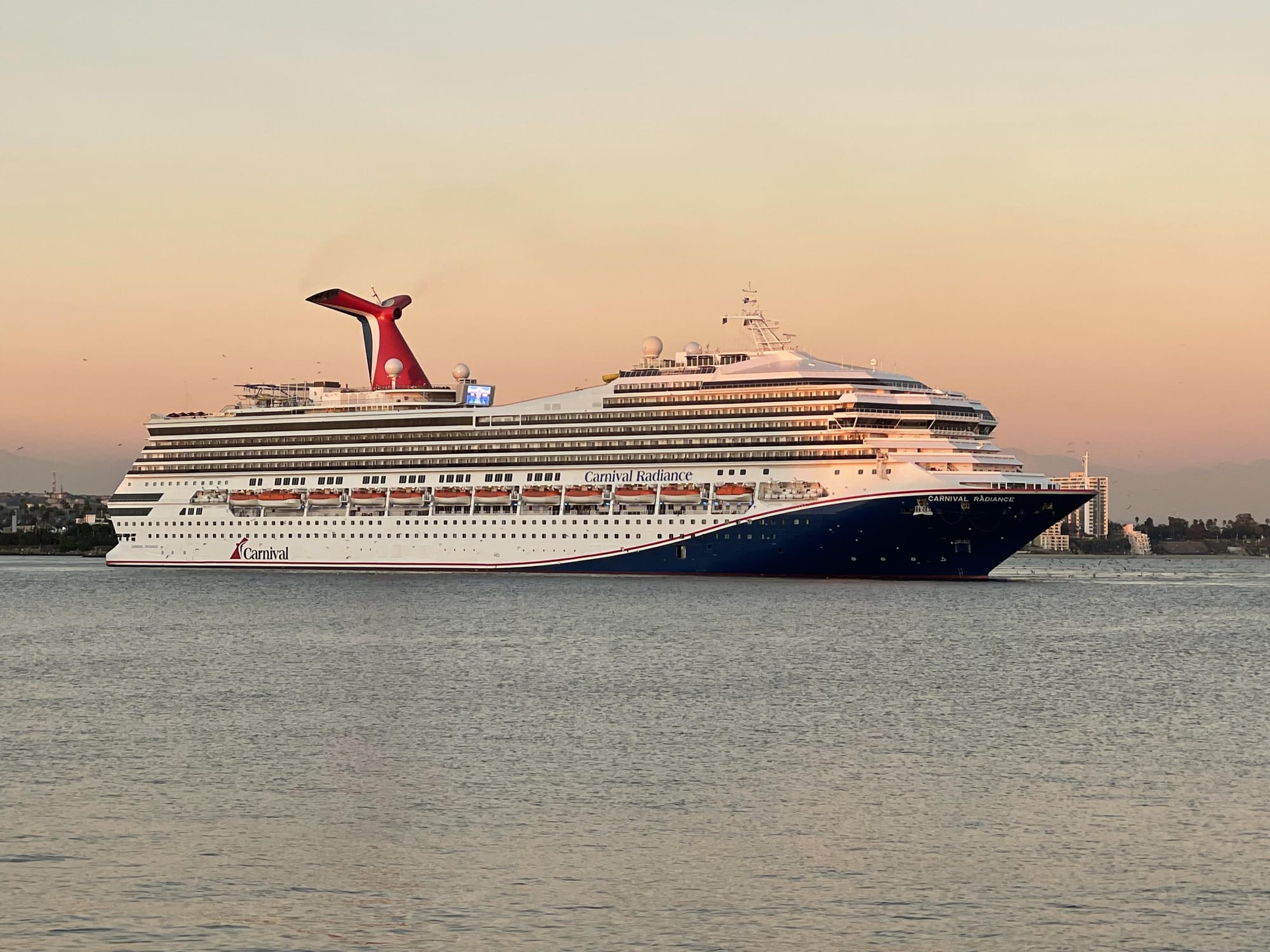
A Miami federal jury has ordered Carnival Cruise Line to pay $300,000 to passenger Diana Sanders after finding the company negligent for continuing to serve her alcohol aboard Carnival Radiance, a case centered on claims she was overserved tequila shots before suffering a serious fall.
The jury allocated 60% of the fault to Carnival and 40% to Sanders, a 45-year-old nurse from Vacaville, California. Carnival said it “respectfully disagrees with the verdict” and intends to pursue a new trial and appeal.
Verdict details and what the jury decided
The verdict was entered on the federal court docket on April 13, 2026, after a trial that began April 6. Sanders’ attorney, Spencer Aronfeld, said the award exceeded the $250,000 his team sought at trial.
In the case, jurors concluded both sides were negligent, but found Carnival bore the larger share of responsibility for failing to intervene as Sanders allegedly showed visible signs of intoxication.
What Sanders alleged happened on Jan. 5, 2024
The incident described in the lawsuit occurred on Jan. 5, 2024, during a sailing out of the Long Beach, California area. Sanders alleged ship staff served her at least 14 tequila shots over roughly eight and a half hours and continued service even while she was visibly intoxicated.
Her complaint described her as “swaying,” “stammering,” and “slurring her speech,” with alcohol on her breath, while in view of crew members. Aronfeld argued service should have been stopped once those signs were apparent.
- Drinks and timing alleged: Court filings said at least 14 shots were served between about 2:58 p.m. and 11:37 p.m., a span Sanders’ legal team characterized as roughly eight and a half hours.
- Fall window alleged: The lawsuit placed the fall between about 11:45 p.m. and 12:20 a.m., after Sanders had been drinking across multiple venues.
Multiple venues cited in the complaint
The lawsuit alleged Sanders obtained drinks across scattered locations onboard rather than remaining at a single bar, which her legal team said contributed to overservice risk. The complaint listed stops that included the following venues:
- BlueIguana Tequila: Listed among the bars where Sanders allegedly obtained tequila shots (also referenced in one account as Blue Iquana Tequila).
- Serenity Bar: Cited as another location where she allegedly received drinks during the afternoon and evening.
- RedFrog Rum Bar: Included in the complaint as a venue where she continued drinking.
- Radiance Casino Bar: Identified as one of the later locations tied to disputes about surveillance footage.
- Winner’s Luck Bar: Listed as another stop where she allegedly obtained alcohol.
- Bar @ SportSquare: Also cited among the venues where drinks were allegedly served.
Injuries described, and disputes about surveillance footage
Sanders alleged she fell down a staircase while intoxicated and suffered significant injuries, including a concussion, headaches, back and tailbone injuries, bruising, and claims of possible traumatic brain injury, along with emotional distress and mental anguish. Aronfeld has also said her primary injury was a head injury that aggravated pre-existing post-traumatic stress disorder.
At trial, a key dispute involved ship surveillance video around the time Sanders left the casino bar area and was later found unconscious. Aronfeld said jurors heard evidence that roughly 30 minutes of surveillance video was missing during that period.
In separate public comments described in coverage of the case, Sanders said she woke up at the bottom of stairs in an area associated with crew-only access and struggled to get consistent answers about what happened. Her lawsuit also raised concerns about whether the lack of continuous surveillance affected her ability to determine if she had been sexually assaulted, including an allegation that she declined a rape kit after being told the incident was captured on video.
Carnival’s defense, and what comes next
Carnival disputed liability and how Sanders’ condition was characterized. In court filings, the company argued Sanders was negligent and failed to recognize the risks associated with consuming that amount of alcohol.
Carnival also sought dismissal earlier in the case, arguing Sanders had not sufficiently identified the specific employees involved and disputing whether the complaint adequately alleged that crew members knew, or should have known, she was intoxicated. After the verdict, Carnival reiterated its disagreement, stating it believes there are grounds for a new trial and appeal.
Drink packages, onboard alcohol economics, and broader legal context
Aronfeld framed the verdict as a reminder that alcohol service policies can carry legal consequences. “Passengers have a responsibility to drink responsibly, but cruise lines also have a responsibility to serve responsibly,” he said in a social media post.
In an email commenting on the litigation, Aronfeld wrote, “Taking on a corporate giant like Carnival is a massive undertaking, and I have enormous respect for my client’s resilience throughout this 18-month litigation.” He also argued that all-inclusive drink packages can create risks by encouraging excessive consumption and putting pressure on servers to prioritize speed and tips.
The case also highlighted how alcohol sales factor into cruise revenue. According to one account of the litigation, alcohol can account for roughly 33% of total onboard spending. On Carnival Radiance, the scattering of bars and venues was cited by critics as one reason passengers can consume drinks across the ship without a single point of oversight.
Carnival’s Cheers! drink package limits passengers to 15 alcoholic drinks per 24-hour period. In Sanders’ case, the lawsuit alleged 14 shots in roughly eight hours, which would be within that 24-hour cap.
The verdict also landed amid other overservice litigation discussed by Aronfeld, including a pending wrongful death case against Royal Caribbean involving allegations of 33 alcoholic drinks served in under 12 hours. Aronfeld and other accounts of the case pointed to legal precedent, including Hall v. Royal Caribbean, as part of the broader framework in which cruise lines may face liability for overserving passengers.
Sanders, speaking publicly after the verdict, said it “felt amazing” to win and described the process as difficult, adding that she pursued legal action because she wanted access to information that could clarify what happened after she lost consciousness.
Frequently Asked Questions (FAQs)
How much did the jury award Diana Sanders, and how was fault allocated?
The jury awarded Sanders $300,000 in damages and allocated fault 60% to Carnival and 40% to Sanders.
How many tequila shots were alleged in the Carnival Radiance case, and over what period?
The lawsuit alleged Sanders was served at least 14 tequila shots over roughly eight and a half hours on Jan. 5, 2024, with service beginning at about 2:58 p.m. and continuing until about 11:37 p.m.
Is Carnival appealing the $300,000 verdict?
Yes. Carnival said it “respectfully disagrees with the verdict” and intends to pursue a new trial and appeal.
What role did surveillance footage play at trial?
Sanders’ attorney Spencer Aronfeld said jurors heard evidence that about 30 minutes of surveillance video was missing between the time Sanders left the casino bar area and when she was found unconscious.
Why did the case draw attention to all-inclusive drink packages?
Aronfeld argued that all-inclusive drink packages can encourage excessive consumption and may put pressure on servers to prioritize speed and tips, which he said can increase the risk of overservice and passenger injuries.