Iran Moves to Close Strait of Hormuz, Sending Brent Up 8%
By weaponizing a key shipping chokepoint, Tehran is testing freedom of navigation and showing how quickly Middle East conflict can ripple into prices worldwide.
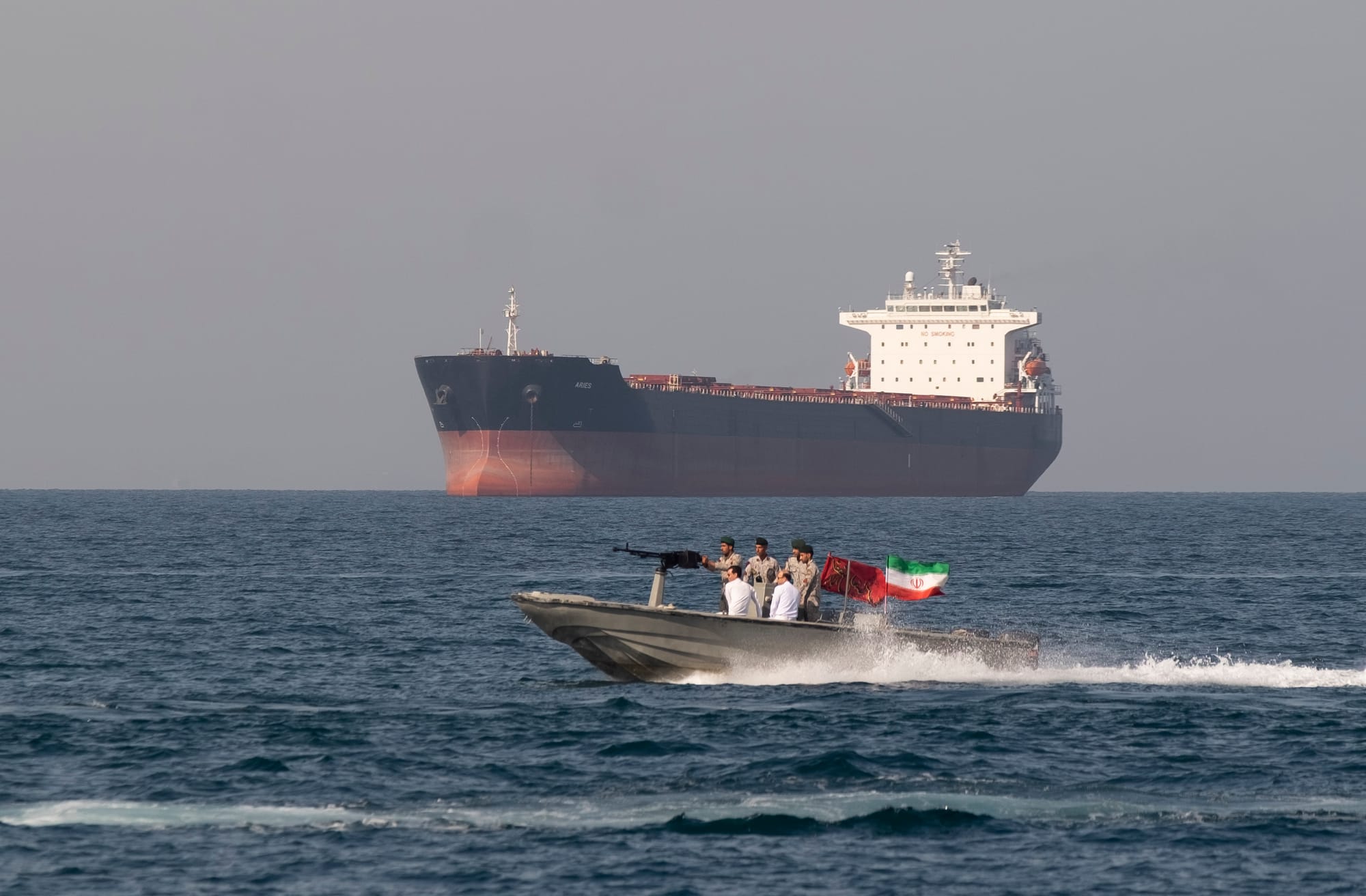
Iran has moved to close the Strait of Hormuz following Israeli strikes in Lebanon, a step that escalates tensions in the region even after a recently announced ceasefire.
Closure follows Israeli strikes in Lebanon
The reported trigger for Iran’s action was a series of Israeli airstrikes in southern Lebanon targeting Hezbollah positions. The strikes were described as retaliation for rocket launches into Israeli territory, marking a significant departure from the recently brokered ceasefire.
Lebanese officials said the strikes caused widespread damage but reported no casualties. Israel has defended its actions as necessary for national security, while Iran has condemned the strikes as aggression against Hezbollah, its regional ally. Analysts cited in reports said the Strait of Hormuz closure appeared intended both as retaliation and as a warning to Western powers, particularly the United States, which has supported Israel in its recent operations.
Why the Strait of Hormuz matters for global shipping and oil
The Strait of Hormuz is a narrow sea passage connecting the Persian Gulf with waters beyond it, and it functions as a gateway for commercial shipping entering or exiting Gulf ports. When transit is restricted, vessels can be prevented from reaching destinations inside the Persian Gulf or from departing those ports.
The strait is also a critical chokepoint for energy flows. Nearly 20% of global crude oil shipments pass through the Strait of Hormuz daily, according to the U.S. Energy Information Administration, raising immediate concerns about disruption to global energy markets and the potential for higher oil prices.
Energy security concerns are especially acute for major importers including China, India, and Japan, which depend heavily on Persian Gulf oil.
Oil prices jump as shipping risks come into focus
Oil markets reacted quickly, with Brent crude climbing 8% within hours of the announcement. Energy analysts warned that a prolonged disruption in the Strait of Hormuz could push oil prices toward record highs, adding to inflationary pressure globally.
Shipping companies also face immediate operational and cost pressures. Reports said operators are bracing for delays and higher insurance premiums as the risk of navigating near the strait increases. The International Maritime Organization called for ensuring the safety of commercial vessels operating in the region and urged diplomatic solutions to reduce uncertainty.
At the same time, the blockade threatens regional economies, including Iran and its Gulf neighbors, which rely on the strait to export oil and other goods. Experts cited in reports said sustained tension could deepen economic hardship and further complicate prospects for a diplomatic resolution.
Operational questions for maritime and cruise operators
Even beyond energy cargo, restricting passage through a major gateway like the Strait of Hormuz can affect vessel positioning, port schedules, and broader maritime planning for operators with ships in the area.
For cruise lines, access constraints can raise immediate questions about routing and itinerary feasibility for sailings that would normally transit the strait to reach Gulf ports. Cruise planning depends on predictable port windows and safe navigation conditions, both of which can be affected when tensions rise and authorities impose restrictions. Even when cruise ships are not directly involved in a developing security situation, operators may still have to account for knock-on effects such as adjusted arrival times, revised port calls, or altered logistics for supplies and services tied to specific ports.
International reactions split as diplomacy ramps up
The United States called for an emergency meeting of the United Nations Security Council, condemning the closure as a destabilizing act that threatens freedom of navigation and international trade. The European Union urged Iran and Israel to exercise restraint to avoid a wider conflict.
Gulf Cooperation Council members, including Saudi Arabia and the UAE, issued statements expressing concern about regional stability but stopped short of directly criticizing Iran’s actions.
Russia and China defended Iran’s decision, framing it as a legitimate response to what they described as Israeli “provocations,” underscoring the polarized international dynamics around the crisis.
Key details that remain unconfirmed
Available reports did not include operational specifics that typically shape decision-making for shipping and passenger operators, including how the closure is being implemented, how long restrictions are expected to last, or what conditions would lead to a reopening.
Reports also did not clarify whether the closure applies to all categories of traffic, whether any corridors remain available, whether there are exemptions for certain vessels, or what enforcement mechanisms are in place. No official statement from Iranian authorities, the Israeli government, or maritime authorities was included in the initial accounts.
Attention is now likely to center on whether the Strait of Hormuz reopens quickly or remains restricted, and on any formal guidance issued to mariners and regional ports that would shape near-term movements in and out of the Persian Gulf.
Frequently Asked Questions (FAQs)
What is the Strait of Hormuz?
The Strait of Hormuz is a narrow sea passage that connects the Persian Gulf with waters beyond it, serving as a primary gateway for commercial shipping entering or exiting Gulf ports. It is also a major oil transit chokepoint, with nearly 20% of global crude oil shipments passing through daily, according to the U.S. Energy Information Administration.
Why did Iran close the Strait of Hormuz?
Reports linked the move to a series of Israeli strikes in Lebanon targeting Hezbollah positions. Iran condemned the strikes as aggression against Hezbollah, and analysts cited in reports described the closure as both retaliation and a warning directed at Western powers, particularly the United States.
How might the closure impact global oil prices?
Brent crude rose 8% within hours of the announcement. Energy analysts warned that if disruption in the Strait of Hormuz is prolonged, oil prices could rise further and add to inflationary pressure globally.
Does a Strait of Hormuz closure automatically change cruise itineraries?
Not automatically, but it can affect sailings that would normally need to pass through the strait to reach Gulf ports. Whether itineraries change depends on the duration and conditions of the restriction and any navigation guidance issued to operators.
What information is most important for cruise passengers to watch?
Key updates include whether transit restrictions remain in place, any official maritime advisories, and direct communications from a cruise line about port calls, routing, and schedule changes for specific sailings.