Hong Kong Investigates Westerdam Norovirus Outbreak After 76 Cases
As Asia cruise itineraries ramp up again, Hong Kong’s response shows how ports are tightening health oversight and sharing alerts to keep tourism moving without disruptions.
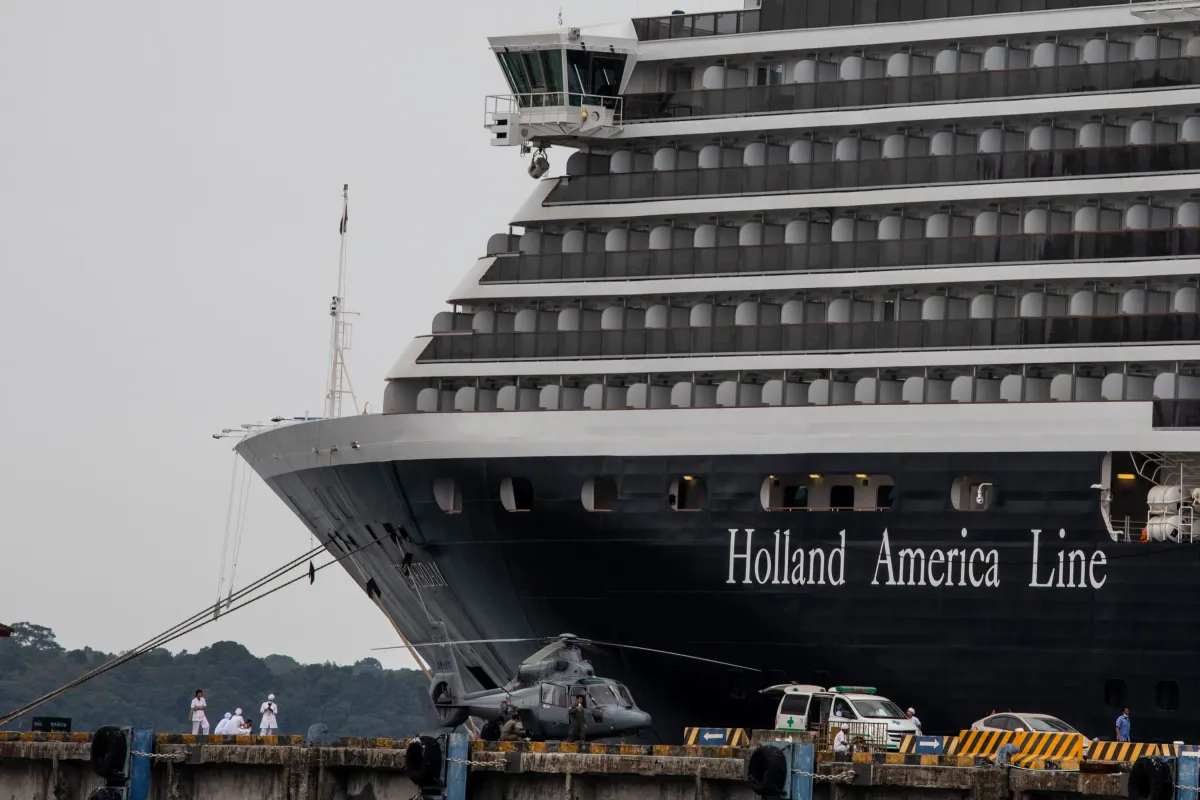
Hong Kong health authorities investigated a norovirus outbreak on Holland America Line’s Westerdam after the cruise ship arrived in the city on March 1, 2026, during a 28-night Asia itinerary. The Centre for Health Protection (CHP) said 76 cases of gastrointestinal illness were identified onboard, and testing confirmed norovirus.
Norovirus case count and what Hong Kong officials reported
The CHP, part of Hong Kong’s Department of Health, said the 76 cases involved 65 passengers and 11 crew members. The affected individuals ranged in age from 24 to 92, and the cases were evenly split by gender, with 38 men and 38 women.
Westerdam is a Vista-class cruise ship that can carry 1,964 guests at double occupancy and nearly 2,600 at full capacity, and it is staffed by an onboard crew of about 800. The CHP said approximately 2,000 guests were onboard at the time of the Hong Kong call; based on those figures, the identified cases represented roughly 3% of guests and about 1% of crew members.
The primary symptoms reported were vomiting, diarrhea, and fever. No passengers or crew were reported to have required hospitalization or major medical intervention, and the CHP said additional testing was continuing after early laboratory results confirmed norovirus.
Inspection and mitigation steps taken during the Hong Kong call
Westerdam arrived in Hong Kong at around 4 a.m., after which local health and medical personnel boarded to assess the situation. The CHP said its inspection included a review of food hygiene practices.
Authorities also set up a temporary medical station in the cruise terminal to conduct health assessments. While guests were ashore, the ship underwent enhanced cleaning and disinfection intended to reduce the risk of continued spread. Dr. Edwin Tsui said CHP personnel briefed affected individuals and the ship’s operator on infection control steps, including disinfection and hygiene measures.
How the outbreak developed and what it meant for the itinerary
Hong Kong officials said the illnesses were recorded over time, not all at once. The first two cases were identified on the day Westerdam departed on the current sailing, with additional cases recorded over the following two weeks.
By the time the ship reached Hong Kong, the CHP said only three individuals were experiencing minor symptoms, even though the cumulative case count had reached 76.
Hong Kong officials notified health authorities in the Philippines about the outbreak and the mitigation measures already taken onboard, to support follow-up assessments as the ship continued its scheduled calls. At the time of the Hong Kong investigation, no changes to the ship’s schedule or port visits were expected.
- March 4: Palawan Island was listed as the next scheduled stop as Westerdam continued its Philippines portion of the itinerary.
- March 5: Boracay Island was scheduled to follow, with ongoing monitoring of symptoms emphasized by Hong Kong health officials.
- March 6: Manila was scheduled next, before additional calls in Taiwan and Japan and the end of the cruise in Tokyo on March 15.
Shanghai call during Lunar New Year period and visa-policy context
Days before the Hong Kong call, Westerdam drew attention in mainland China when it docked at Shanghai’s Wusongkou International Cruise Terminal on Feb. 25, 2026. The visit marked Shanghai’s first international cruise call for the Lunar New Year period since travel restrictions were lifted, and it was celebrated with traditional Chinese ceremonies, including a drone light show and lion dances hosted by the Shanghai Municipal Culture and Tourism Bureau.
Arriving from Jeju Island, South Korea, on a segment of its Grand Asia voyage, the ship carried approximately 2,000 passengers, with significant representation from the United Kingdom and Canada. Those nationalities are among those now eligible for China’s newly introduced 15-day visa-free transit policy, which took effect Feb. 17, 2026. A Shanghai Entry-Exit Border Checkpoint spokesperson described the arrival as “a positive signal,” citing streamlined arrival procedures and early results demonstrating the policy’s effectiveness.
Westerdam spent two days in Shanghai before continuing its voyage.
Itinerary and onboard programming
Westerdam’s Shanghai and Hong Kong calls were part of a 28-night cruise marketed as “The Philippines, China, and Japan Collector Voyage,” which departed from Yokohama, Japan, on Feb. 15, 2026, and is scheduled to end in Tokyo on March 15. The collector-style itinerary includes destinations across Japan, South Korea, China, Hong Kong, the Philippines, Taiwan, and additional stops, with ports cited including Hong Kong, Hiroshima, Seoul, and Manila.
The sailing is also described as a History Channel-partnered itinerary, with themed programming tied to visits and excursions around landmarks and ancient ruins. In materials describing the partnership, the History Channel is credited with curating onboard content, shore excursions, and thematic experiences for Holland America Line sailings.
Ship refurbishment and upcoming deployments
Earlier in 2026, Westerdam underwent a two-week drydock refurbishment in Singapore, emerging with upgraded staterooms and refreshed public spaces. After its current Southeast Asia deployment, the ship is set to reposition to North America for the summer cruising season in Alaska, followed by a return to Asia later in 2026 for fall itineraries in Japan.
Norovirus basics cited by health authorities and the CDC
Health agencies note that norovirus can spread through contaminated surfaces and food and can be difficult to control in crowded settings. Many people recover in one to three days, but guidance from the U.S. Centers for Disease Control and Prevention indicates people can continue to spread the virus after symptoms improve.
The CDC also emphasizes that alcohol-based hand sanitizer is not effective against norovirus, making thorough handwashing a key prevention step. Cruise operators, including Holland America Line, use disinfection measures and health screenings to try to limit further spread when cases are identified.
Frequently Asked Questions (FAQs)
What is the capacity of Westerdam?
Westerdam can accommodate 1,964 passengers at double occupancy and nearly 2,600 passengers when fully booked. The ship is staffed by approximately 800 crew members.
How was the norovirus outbreak managed when Westerdam arrived in Hong Kong?
The Hong Kong Centre for Health Protection said health and medical personnel boarded the ship, reviewed food hygiene practices, and oversaw enhanced cleaning and disinfection while guests were ashore. Authorities also set up a temporary medical station in the cruise terminal for health assessments, and CHP personnel briefed affected individuals and the ship’s operator on infection control measures.
Were any itinerary changes announced because of the outbreak?
No. At the time of the Hong Kong investigation, officials said no changes to the ship’s schedule or port visits were expected, and the cruise was still scheduled to end in Tokyo on March 15, 2026.
What is China’s 15-day visa-free transit policy mentioned during the Shanghai call?
Effective Feb. 17, 2026, the policy allows nationals from several countries, including the United Kingdom and Canada, to enter China without a visa for up to 15 days if they are transiting to a third destination.
What was notable about Westerdam’s Shanghai visit on Feb. 25, 2026?
Westerdam’s call at Shanghai’s Wusongkou International Cruise Terminal was described as the city’s first international cruise call for the Lunar New Year period since travel restrictions were lifted. The arrival was marked with ceremonies including a drone light show and lion dances hosted by the Shanghai Municipal Culture and Tourism Bureau.