Gregory Lanter Leads CTI Into $1.3B Cruise Terminal Expansion
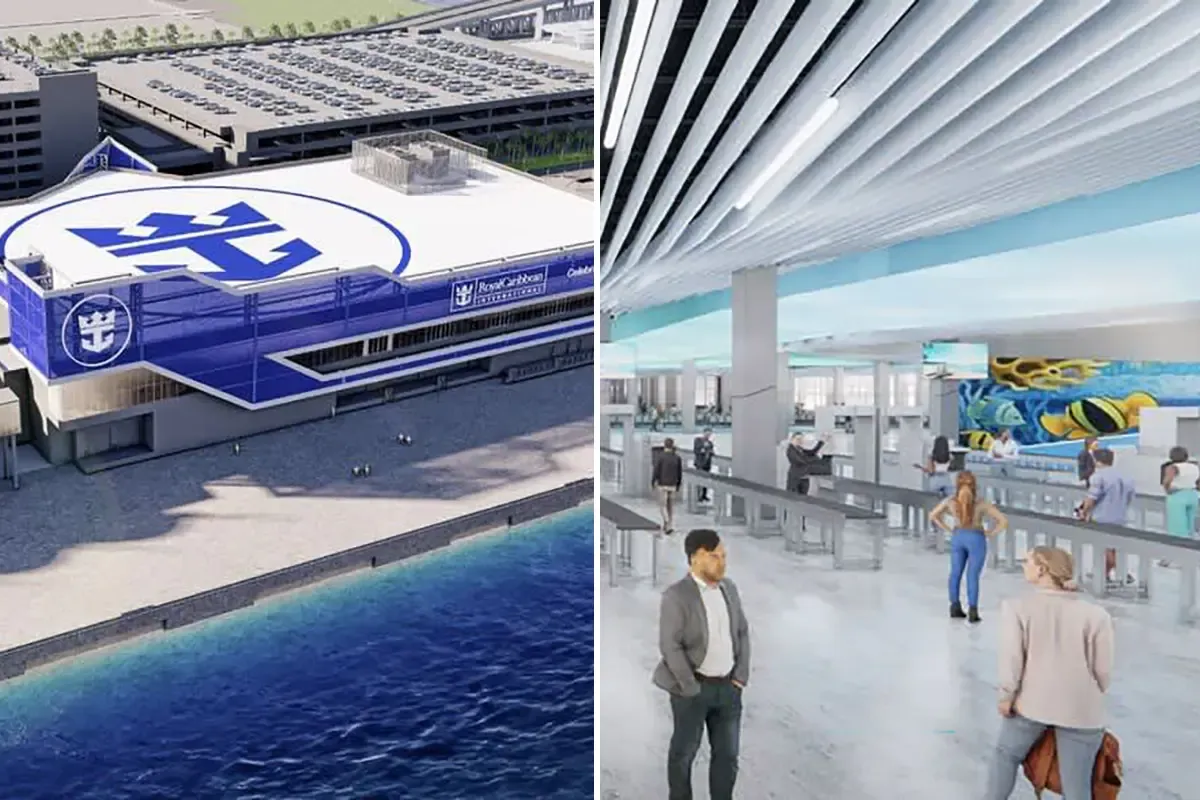
CTI operates PortMiami’s one hundred seventy thousand-square-foot Terminal A, a Royal Caribbean facility handling more than one hundred sixty thousand passengers a month.
Gregory Lanter has taken the helm at Cruise Terminals International as the Miami-based developer moves from operating PortMiami’s Terminal A into a four-project buildout representing nearly $1.3 billion in active investment. Lanter, formerly Club Med’s deputy chief executive officer, joined CTI in January with the company also evaluating more than $2 billion in additional cruise-terminal opportunities.
The expansion puts CTI into active development across Italy, Spain and the U.S. Virgin Islands while it continues to run its Miami facility. “2026 is a defining year for CTI but in many ways, it’s just the beginning for us,” Lanter said.
Projects span Miami, Italy, Spain and St. Thomas
CTI currently operates Terminal A at PortMiami, a 170,000-square-foot Royal Caribbean facility that handles more than 160,000 passengers a month. Its development roster includes Ravenna Civitas Cruise Port in Italy, Barcelona’s Catalonia Cruise Terminal G, the Rome Fiumicino Waterfront Project and Crown Bay in St. Thomas.
Ravenna Civitas Cruise Port is being developed at Porto Corsini, roughly 12 to 15 kilometers from Ravenna’s city center. The new terminal has been planned with capacity for two ships, three mobile passenger boarding bridges and shore-power capability, adding purpose-built cruise infrastructure to a port used for both embarkation and calls.
In St. Thomas, CTI’s Crown Bay work centers on the Austin “Babe” Monsanto Marine Terminal, one of the island’s two main cruise docking areas west of Charlotte Amalie. The company describes the project as a broader redevelopment intended to remain active beyond ship-call windows, including public-facing uses for residents and land-based visitors.
Barcelona project advances amid tighter cruise policy
Lanter said CTI does not treat terminals as simple processing facilities. “That model is over,” he said. “A cruise terminal is the first and last impression of the journey.”
In Barcelona, CTI says Terminal G will incorporate local identity through architecture, materials and art, while also developing collaborations with schools and marine research organizations. The project is targeting LEED Platinum certification and is designed to generate more energy than it consumes.
The Barcelona work is advancing as city officials tighten cruise policy. Mayor Jaume Collboni said the city will increase the cruise tourist fee from €4 to €8 per person in the coming months, accelerating a phase-in previously expected to run through 2029. “I want to discourage the arrival of cruise passengers,” Collboni said.
Barcelona has also outlined plans to reduce the number of cruise terminals and modernize vessel infrastructure, including replacing three facilities with a larger terminal designed for up to 7,000 passengers per day. City officials are seeking to reduce single-day transit calls while encouraging more homeport operations.
Scale depends on central standards and local teams
CTI operates in markets with different regulatory frameworks, community priorities and construction conditions. “We built the company from day one as a scalable platform, not as a single-project developer,” Lanter said.
The company has grown from five employees at its 2023 formation to more than 50 team members, with about 400 professionals working on projects worldwide. Lanter said CTI combines a central operating platform with local teams that understand each market, allowing the company to carry design standards, procurement practices and operating playbooks from one project to the next.
“What makes CTI different is the way we’ve structured the organization,” Lanter said. “We’ve brought together cruise industry veterans, infrastructure financiers, construction experts and hospitality specialists.”
Lanter said mature markets need expanded or modernized terminals for larger ships and higher guest expectations, while emerging destinations are seeking infrastructure that can support contemporary cruise operations from the start.
CTI is prioritizing the Americas and the Mediterranean before looking farther afield. The company is evaluating both upgrades to older cruise assets and new destinations where sustainability measures can be built into the project from the outset.
The partnership model varies by market, but Lanter pointed to Royal Caribbean and iCON Infrastructure as central to CTI’s structure. “You need strong anchor partners and Royal Caribbean provides that industrial backbone for us,” he said, adding that iCON brings long-term capital and that CTI must “serve all cruise lines with the same level of excellence.”
Ravenna is the first of the new terminals due to open, with Crown Bay expected shortly after and Barcelona’s Terminal G scheduled for April 2027.