Erie Eyes Great Lakes Cruise Ship Calls After Regional Talks
As Great Lakes cruising expands beyond big-city ports, smaller harbors like Erie are competing on waterfront access and dredging readiness, especially with lower water expected.
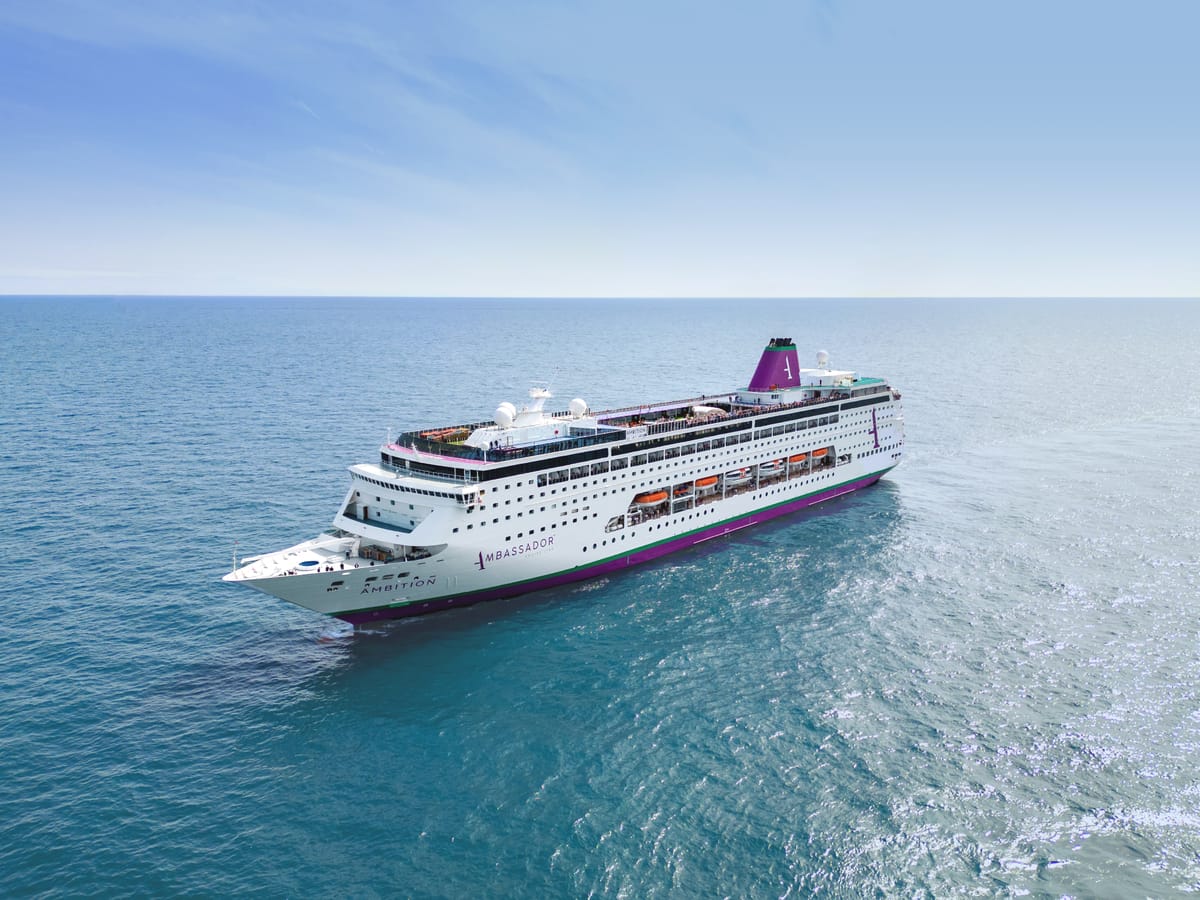
Erie, Pennsylvania is being evaluated as a potential stop for Great Lakes cruise ships after local officials met March 25 with Cruise the Great Lakes, a regional marketing organization that promotes small-ship cruising across the inland seas. No commitments have been announced, but Erie officials said the talks were aimed at positioning the city’s bayfront as a viable call for luxury cruise itineraries.
Erie explores a place in a fast-growing Great Lakes cruise market
Founded in 2018, Cruise the Great Lakes works with cruise lines, ports, government agencies and tourism groups to market cruising across the region. The organization advertises itineraries offered by Pearl Seas Cruises, Ponant, St. Lawrence Cruise Lines and Victory Cruise Lines, with routes spanning all five Great Lakes from May through October and calling at larger ports such as Cleveland, Detroit, Buffalo-Niagara and Thunder Bay as well as smaller communities including Bay City, Muskegon and Tobermory.
Erie-Western PA Port Authority Executive Director Julie Slomski said the city has been laying groundwork for years. “We’ve been in contact with these folks over the last couple of years to find out how we get these cruise boats to Erie,” Slomski said. “It’s not the easiest process that happens overnight, but it’s something that we’ve been working on. To have friends throughout the Great Lakes cruise lines come here and focus on Erie has been exciting.”
VisitErie also pointed to regional momentum as a reason to pursue cruise calls. “Knowing that Great Lakes USA and Cruise the Great Lakes are already generating a lot of growth for the region, it’s very exciting to be a part of that,” said Hannah Stancliff, VisitErie’s director of conventions and sales.
Cruise the Great Lakes forecasts record 2026 activity and spending
Cruise the Great Lakes projects the Great Lakes cruise economy will exceed $300 million (US) in 2026, which it expects would be a 25% increase from 2025, supported by more passengers, more port calls and higher shoreside spending. The organization also forecasts nearly 175,000 passenger visits across more than 800 port calls in 2026, with 10 cruise ships operated by seven lines.
The group has separately projected that Great Lakes cruises are expected to welcome more than 23,000 passengers in 2026 alongside more than 800 port visits, and has indicated totals can be presented using different counting methods, such as passengers carried versus passenger visits tallied across ports.
- Economic impact: Cruise the Great Lakes projects more than $300 million (US) in 2026, a figure it attributes to passenger spending, increased port activity and related tourism benefits.
- Growth rate: The organization expects 2026 to run 25% higher than 2025 in economic contribution, driven by more passengers, more port calls and higher shoreside spending.
- Port activity: The forecast calls for more than 800 port calls or port visits in 2026, a level that would require tight coordination among operators and port communities.
- Fleet deployment: Cruise the Great Lakes has projected 10 cruise ships operated by seven lines on the lakes during the 2026 season.
- How passenger totals are reported: The organization has cited nearly 175,000 passenger visits and, separately, more than 23,000 passengers, noting that the two numbers reflect different ways of counting activity.
Sally Davis Berry, tourism director for the Green Bay-based Cruise the Great Lakes, said the outlook is stronger than the prior year. “We forecast this upcoming season to be even stronger than 2025, both in terms of passenger numbers, destinations visited, and economic impact, which underscores the appeal of cruising in the Great Lakes,” Davis Berry said.
Low-water forecasts add complexity for ports, freighters and cruise calls
At the same time, Great Lakes water levels are expected to run below average during the 2026 boating season, according to the U.S. Army Corps of Engineers. The Corps projects Lakes Michigan and Huron about a foot below long-term averages into late summer, with Lake Erie also expected to stay several inches low through the heart of the season.
In its Monthly Bulletin of Lake Levels, Corps hydrologists attributed the outlook to weaker water supplies based on the balance of precipitation, runoff and evaporation. They cautioned mariners to prepare for more exposed bottoms and tighter clearances in some harbors and channels, while noting the Great Lakes remain above record low levels.
Along corridors connecting the upper lakes to Lake Erie, port and harbor officials are reviewing soundings, buoy placement and dredging priorities earlier than usual in 2026 to keep traffic moving. The lower-water outlook follows a period of record and near-record high levels in the late 2010s, which contributed to erosion and property losses around the Great Lakes.
Freighter operators flag draft limits and dredging pressures
Shipping officials have warned that lower water can reduce how much cargo some freighters can carry. The Lake Carriers Association, which represents 13 companies operating 43 U.S.-flagged Great Lakes ships, reported that U.S.-flagged freighters carried 71.3 million tons of cargo in 2025, down 8.9% from 2024 and 8.1% below the fleet’s five-year average.
Association officials said the decline primarily reflected softer demand across key commodities, while also pointing to water levels and dredging as operational constraints that can force vessels to load lighter. In the group’s reporting, salt shipments were an exception, increasing 4.1% in 2025 while other commodity categories declined.
Eric Peace, vice president of the Lake Carriers Association, tied the issue to channel work and its complications. “We’re going to continue to see the water levels drop. So dredging will continue to be an issue for us, and then with dredging we deal with environmental impacts,” Peace told Maritime Reporter TV.
Cruise operators say itineraries can adjust, even in a low-water year
Cruise officials have acknowledged that lower water can complicate docking at some shallow ports, but Cruise the Great Lakes has said most vessels already operate with conservative drafts and flexible itineraries. That flexibility can allow operators to adjust schedules or substitute nearby ports if a particular pier becomes too shallow.
For communities weighing infrastructure and harbor-access funding, Cruise the Great Lakes has argued that the spending it projects for 2026 strengthens the case for keeping piers and approaches accessible, even when water levels run lower than average.
Frequently Asked Questions (FAQs)
How far below average are Great Lakes water levels expected to be in 2026?
The U.S. Army Corps of Engineers projects Lakes Michigan and Huron roughly a foot below long-term averages heading into 2026 and remaining below average into late summer, while Lake Erie is projected to be several inches below average through the core boating season.
Which cruise lines operate on the Great Lakes?
Cruise the Great Lakes advertises itineraries offered by Pearl Seas Cruises, Ponant, St. Lawrence Cruise Lines and Victory Cruise Lines.
What is the projected economic impact of Great Lakes cruising in 2026?
Cruise the Great Lakes projects the region’s cruise economy will exceed $300 million (US) in 2026, which it expects would be a 25% increase from 2025, supported by more passengers, more port calls and higher shoreside spending.
Are Great Lakes cruises expected to be canceled because of low water?
Cruise the Great Lakes has said low water can complicate docking at some shallow ports, but operators typically plan with conservative drafts and can adjust schedules or substitute nearby ports if a specific pier becomes too shallow.
Why do lower lake levels affect how much cargo a freighter can carry?
Lower water can reduce available draft in channels and harbors, which can force ships to load lighter to maintain safe clearance and reduce grounding risk, especially where dredging and channel maintenance lag.
With cruise operators forecasting increased passenger activity and ports preparing for tighter clearances, Erie officials said they will continue working with regional partners to make the bayfront competitive as Great Lakes itineraries expand, even as water-level conditions and dredging needs remain a key operational variable for the 2026 season.