China Merchants Lists Former Viking Sun Cruise Ship for Sale
China’s cruise rebound is rewarding family-friendly mega ships and new homebuilt capacity. The fading of boutique luxury bets shows how quickly tastes and economics have shifted.
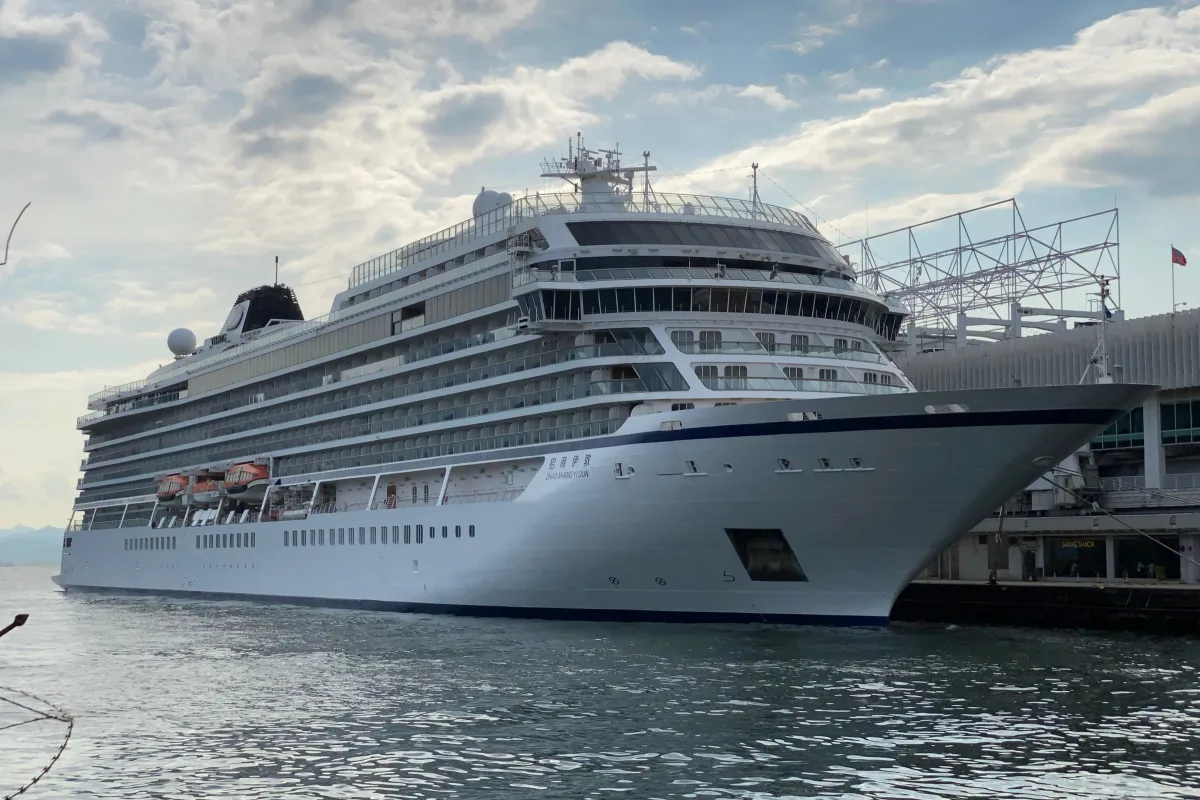
China Merchants has put its cruise ship Zhao Shang Yi Dun, also marketed as China Merchants Eden, up for sale on a public exchange, signaling a retreat from a luxury cruising strategy it launched with Viking in 2021. The divestment comes as other China-linked operators also move away from cruising, even as passenger volumes in China’s cruise market continue to rebound.
China Merchants puts its former Viking ship up for sale
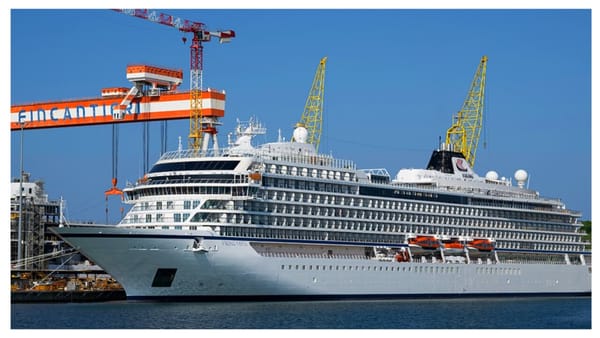
The ship, best known internationally as the Viking Sun, entered service in 2017. China Merchants’ joint-venture deal tied to Viking in 2021 led to the vessel being rechristened Zhao Shang Yi Dun and marketed as a high-end product tailored to domestic travelers.
China Merchants listed the 745-foot vessel, a 47,800-gross-ton ship built by Fincantieri, for sale in February through the Beijing Equity Exchange with a minimum price of RMB 2.9 billion, a level that can equate to roughly $420 million depending on exchange rates. Bids were due by mid-March.
Sale conditions restrict branding and onboard concepts
China Merchants attached detailed requirements governing the ship’s identity and the continued use of Viking-linked elements. The conditions include:
- China Merchants branding must be removed within one month after the transaction is completed, and the buyer cannot market the ship using any association with China Merchants or reference its prior link to the company.
- Viking-related branding and onboard venue names are described as licensed from Viking and are not included in the sale, meaning any continued use would require a separate agreement with Viking.
- Operating systems described as licensed from Viking are also not included, and the buyer must either negotiate a new arrangement with Viking or discontinue use of those licensed elements.
The vessel has also been removed from Viking’s website, while its future deployment remains tied to the outcome of the sale process.
From pandemic-era coastal cruising to longer itineraries
China Merchants’ luxury cruise plan launched during a difficult period for the sector. When the venture began in 2021, COVID-19 controls limited the ship largely to domestic coastal itineraries, with sailings at different times from Shanghai, Shenzhen, and Tianjin.
As conditions evolved, the operation sought to adjust the product from shorter sailings to longer options, including shifts from five- to eight-day coastal cruises and the introduction of a 15-day itinerary to Japan and South Korea. Viking later marketed voyages from China to international customers during windows between September and November in 2024 and again in 2025, but sailings often carried about 600 passengers, below the ship’s stated 930-passenger capacity, and the operation continued to post financial losses.
For 2026, Viking had planned to reposition the ship to Europe, but the sale listing creates a major variable for those plans.
Bohai Ferry’s Chinese Taishan is back on the market
China Merchants’ move follows another high-profile listing earlier in March, when Bohai Ferry Group initiated a second attempt to sell its sole cruise ship, the Chinese Taishan, with an asking price of $23 million. Bohai Ferry said a March 9 board meeting approved the decision as the company pivots away from cruising to focus on its core roll-on/roll-off passenger and freight transport business, citing an unfavorable domestic operating environment for cruise operations.
The 832-guest ship was promoted as China’s first independently operated and managed cruise ship. It has been laid up in Dalian since 2020 and has not returned to service following the pandemic.
A ship with multiple past identities and stalled operations
The Chinese Taishan has cycled through several brands and owners over more than two decades. Launched in 2000 as the Olympic Voyager for Royal Olympic Cruises, it later operated as the Grand Voyager for Iberocruceros before moving to Costa, where it sailed as the Costa Voyager. Bohai Ferry acquired the vessel from Costa Crociere in a deal reported at more than $40 million and renamed it Chinese Taishan.
In China, the ship operated routes from Yantai to South Korea and later from Shanghai to Taiwan, before the suspension of operations during the pandemic and the vessel’s lay-up in Dalian.
Market headwinds, bankruptcies, and regulatory constraints
The ship sales reflect broader pressure points that have complicated cruise operations for some China-based players. Smaller operators such as Blue Dream Cruises have filed for bankruptcy, citing geopolitical tensions that disrupted itineraries to Japan and South Korea.
Regulatory constraints have also affected older tonnage. Piano Land, for example, has been sold internationally after being barred from mainland operations because of age restrictions imposed by China’s Ministry of Transport, which prohibit mainland operations by ships older than 30 years.
Demand is rising, but ship and product choices are shifting
Even as some operators exit, demand indicators have improved. Passenger levels in China’s cruise market were up nearly 28 percent for the first 11 months of 2025.
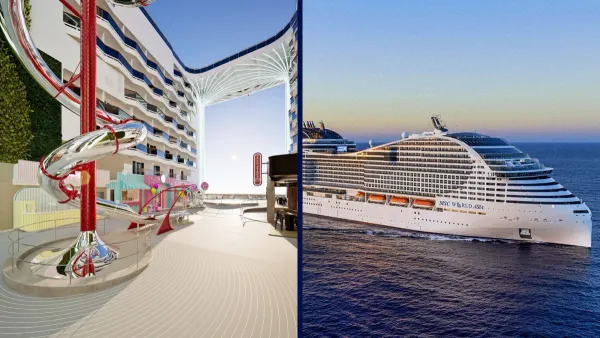
At the same time, analysts and industry observers have pointed to changing expectations for what sells in China, including interest in family cruising and shorter voyages with a strong focus on destination experiences. International brands MSC Cruises and Royal Caribbean International have re-entered China with mega-ships designed around entertainment and amenities aligned with those preferences, although the market remains challenging, including because cruise marketing infrastructure is less developed than in more mature regions and many Western cruise lines did not redeploy ships to homeport in China after the pandemic.
On the domestic side, Adora Cruises has continued building out China-made capacity, including the float-out of its second China-built cruise ship ahead of a year-end delivery, plus an order for two additional ships and an option for a third, all to be built in China.
With both Zhao Shang Yi Dun and the Chinese Taishan now on the market, the sale processes will help determine whether these vessels return to service under new operators or remain sidelined as cruise strategies continue to be reshaped in China.
Frequently Asked Questions (FAQs)
What is the minimum price for Zhao Shang Yi Dun (China Merchants Eden)?
The ship was listed on the Beijing Equity Exchange with a minimum price of RMB 2.9 billion, which can translate to around $420 million depending on exchange rates.
What requirements has China Merchants set for branding and onboard systems if the ship is sold?
China Merchants requires that its branding be removed within one month after the transaction is completed, and it prohibits a buyer from marketing the vessel using any association with China Merchants. Viking-related branding, venue names, and operating systems are described as licensed from Viking, and those licenses are not included in the sale, meaning the buyer would need to negotiate separately with Viking or discontinue use of the licensed elements.
Why is Bohai Ferry selling the Chinese Taishan, and what is the asking price?
Bohai Ferry has cited unfavorable market conditions and said it is exiting the cruise business to refocus on roll-on/roll-off passenger and freight transport. The ship has been listed with an asking price of $23 million on the Dalian Property Rights Exchange.
How has China’s Ministry of Transport affected older cruise ships operating in the mainland market?
China’s Ministry of Transport has imposed rules that prohibit mainland operations by ships older than 30 years. In the case of Piano Land, the age restriction helped push the vessel out of the mainland market and toward an international sale.
How are international cruise lines succeeding in China as the market recovers?
MSC Cruises and Royal Caribbean International have re-entered China with mega-ships built around entertainment and amenities that align with demand for family cruising and shorter voyages, paired with destination-focused travel.